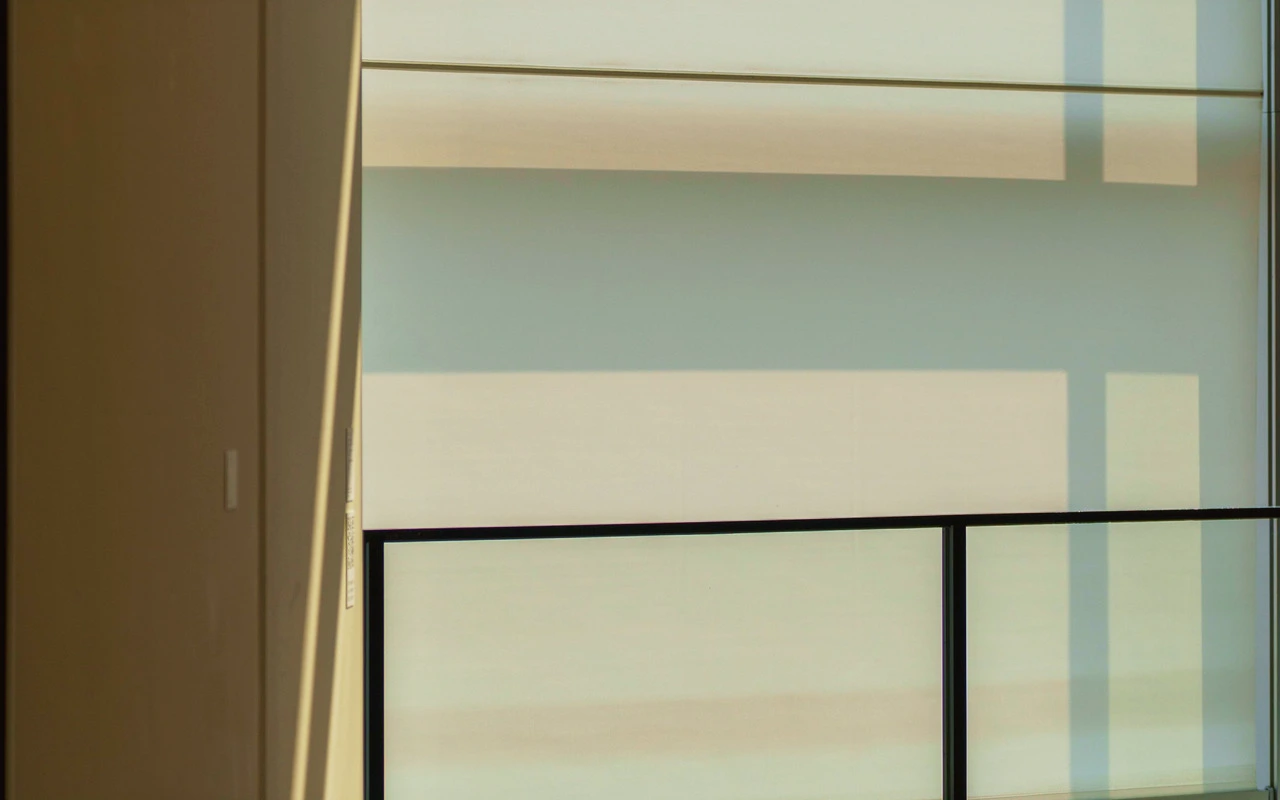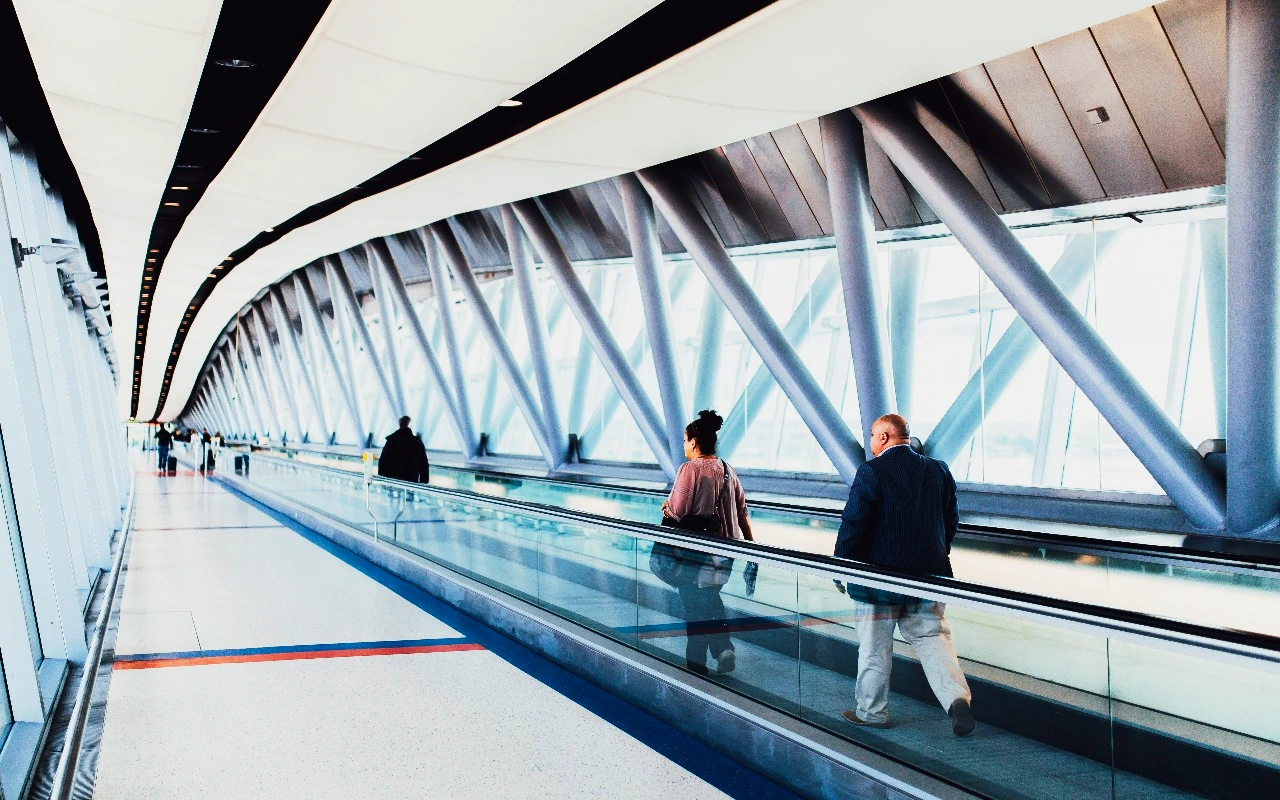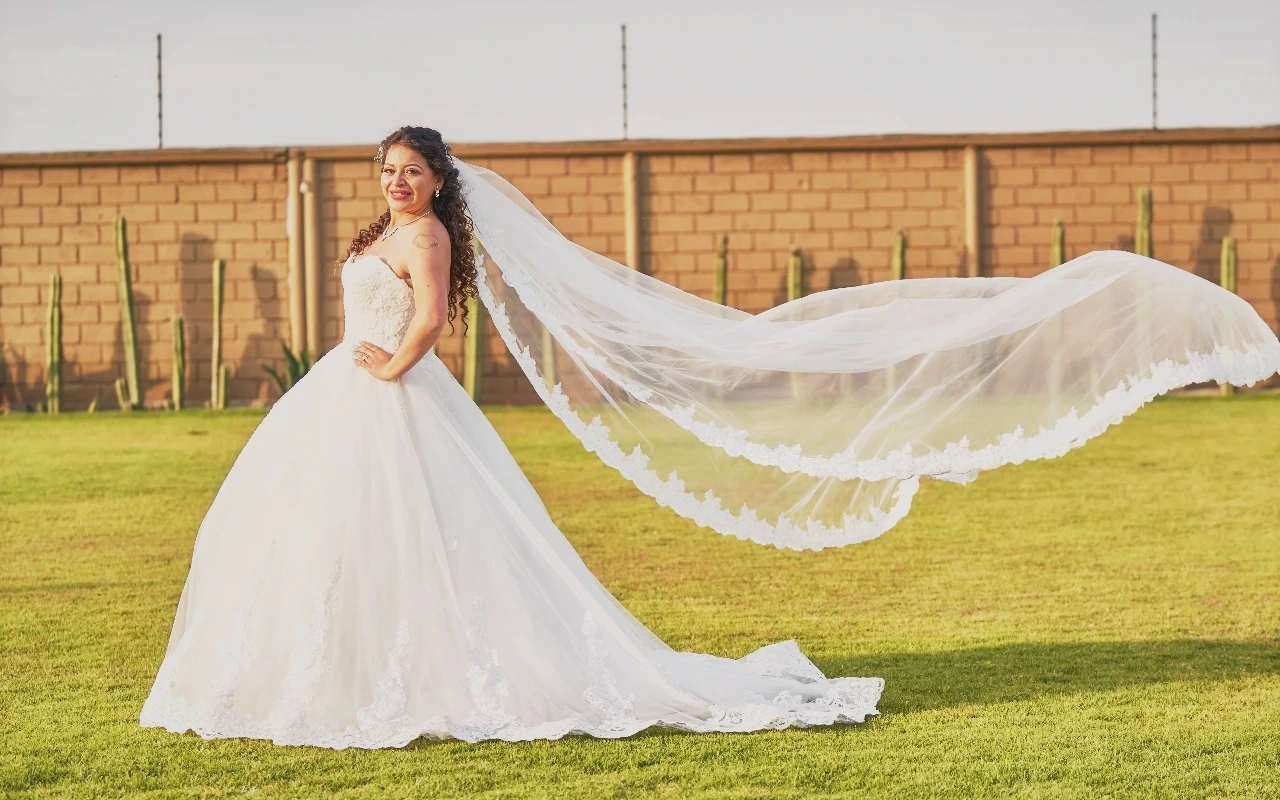
Food Cinema
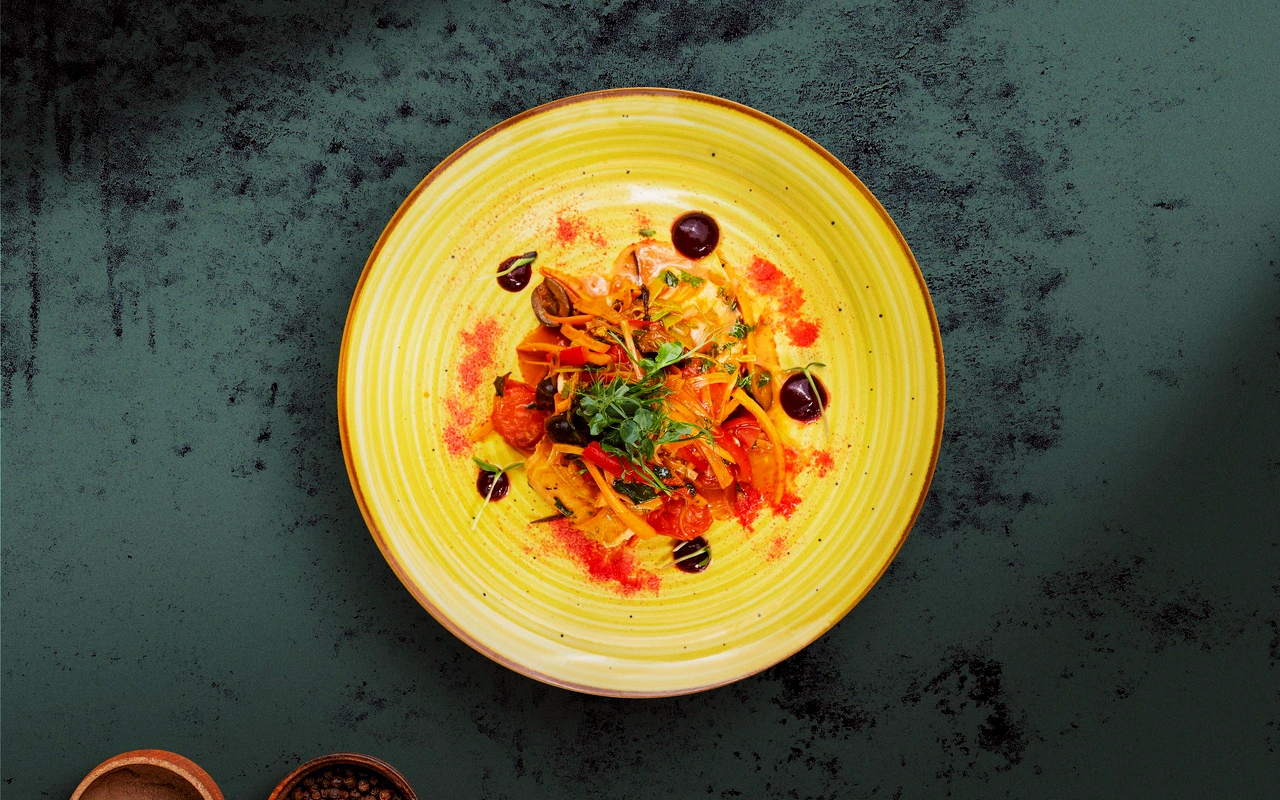
Rich warmth and appetizing color with focused tonal depth.
Visual character
Rich warmth for appetizing imagery
Color character
The CineLook Food Cinema transform lifts exposure by 0.1, brightening the frame just enough to read as generous rather than dark. Nothing here is extreme; it works by accumulation, small moves in several directions at once. Contrast is set to 18, and that is the defining move: midtones pull apart, so the surface of a subject separates from the plate, board or cloth under it. Highlights are held at -14 while shadows sit at 8, a pairing that protects pale sauces, glazed ceramics and window light from clipping and keeps darker corners legible. Temperature at 17 turns the balance warm, and a tint of 4 leans it faintly toward magenta. Saturation at 9 is modest next to vibrance at 21, so weaker hues are coaxed further than strong ones. Highlight rolloff at 26 rounds the approach to the brightest values. Grain sits at 6 and vignette at 12, so texture and edge darkening are present without dominating the frame.
When to choose it
Reach for it when the subject should read as cooked, ripe or freshly poured rather than merely well lit. Tabletop setups respond strongly: a plate under a soft window, a bowl of fruit on a wooden board, pastries cooling on a rack, coffee poured against a dark counter. The warmth and the raised shadow level keep those scenes from going muddy in interiors lit by tungsten or by mixed practicals. Surfaces that carry texture, from crust and char to oil sheen, condensation on glass and the grain of a cutting board, benefit from the added midtone separation. Because contrast is firm and highlights are held, bright reflective props such as stainless steel or white porcelain stay contained. Scenes that must read cool, overcast or clinical are a weaker fit. The vignette at 12 also favors shallow, centered compositions.
Working with it in Studio
Load the transform and treat its eleven settings as a starting position rather than a fixed finish. If the plate runs hot, lower Exposure before touching Highlights; the Look already holds highlights down, so the two corrections stack quickly. Push Contrast in small steps, since the 18-point base is firm and more of it bunches the tonal range toward the ends. Temperature is the control most worth adjusting per setup, given that 17 points of warmth are already in place. Vibrance moves the weaker hues and is safer than Saturation around already-saturated ingredients. When exporting a .cube, only Exposure, Contrast, Highlights, Shadows, Temperature, Tint, Saturation, Vibrance and Highlight Rolloff travel with it; Film Grain, Bloom and Vignette stay inside the app, so finish grain and edge darkening there or after the LUT.
How it compares
Travel Vlog is the cooler sibling: temperature 7 against 17, contrast 14 against 18, shadows 11 against 8, vibrance 24 against 21, grain 4 against 6. It leaves more air in the lower tones and suits cooler daylight, so pick it when a frame should read brisk rather than rich. Golden Hour goes the other way, with temperature 28, exposure 0.18, contrast 12, highlights -18, vibrance 16 and a bloom of 14 that Food Cinema lacks. It fits low sun and visible flare better than Food Cinema does. Food Cinema's firmer midtone contrast and raised vibrance hold up under controlled light where surface texture carries the shot.
Where it fits in a grade
Food Cinema is a standalone creative look, not a film emulation with a fixed place in a camera-to-print chain, so treat it as a finishing statement rather than a foundation. Apply it after the image is balanced: set the white point, correct exposure and clear any color cast in a neutral base grade first, then let the Look contribute its warmth, its firmer midtone separation and its held highlights. Building it earlier forces every later correction to fight choices that are already baked in. As a self-contained creative treatment it needs no negative or print partner, and grain and vignette are settled last, once tonal and color decisions are locked.
Transform parameters
Against a neutral starting point the CineLook Food Cinema transform moves exposure +0.1, contrast +18, highlights -14, shadows +8, temperature +17, tint +4, saturation +9, vibrance +21, film grain +6, vignette +12 and highlight rolloff +26.