Golden Hour
Glowing warmth and gentle contrast inspired by late-afternoon light.
Visual character
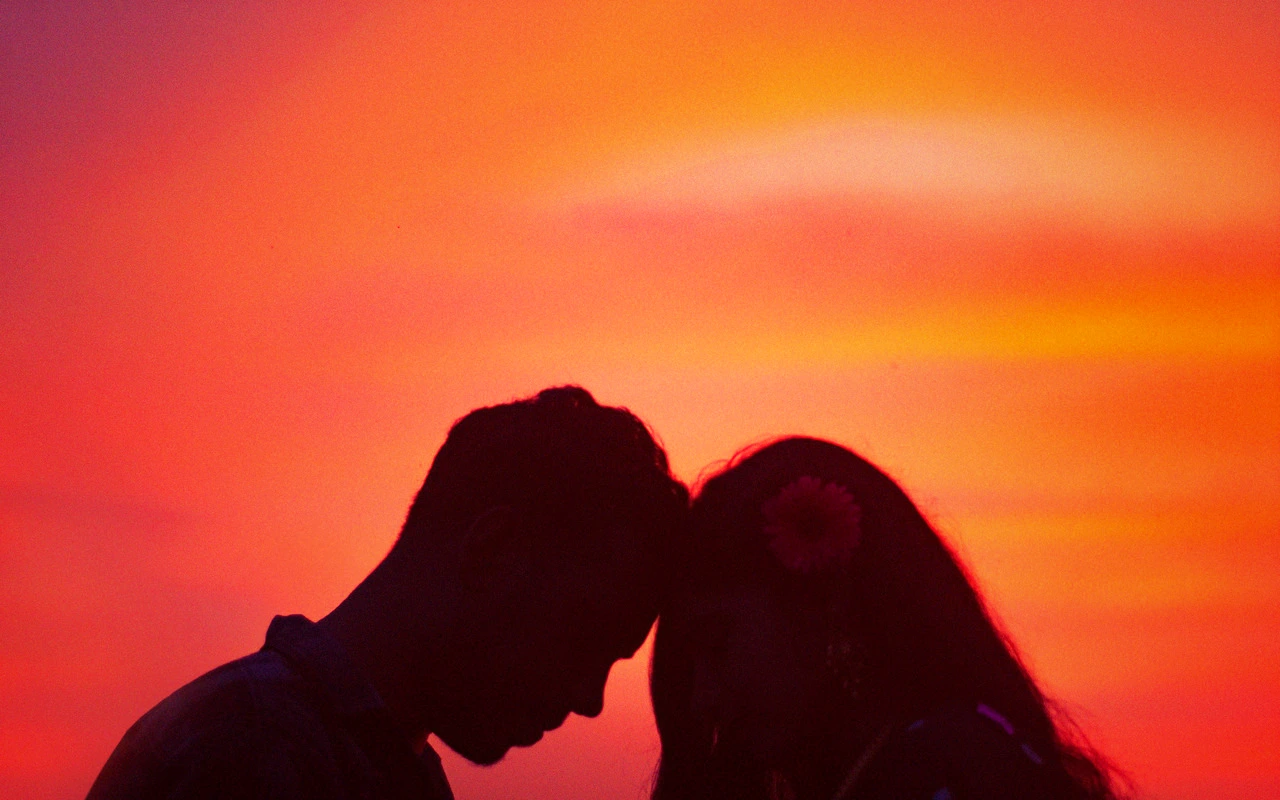
Sunlit warmth and glowing highlights
Color character
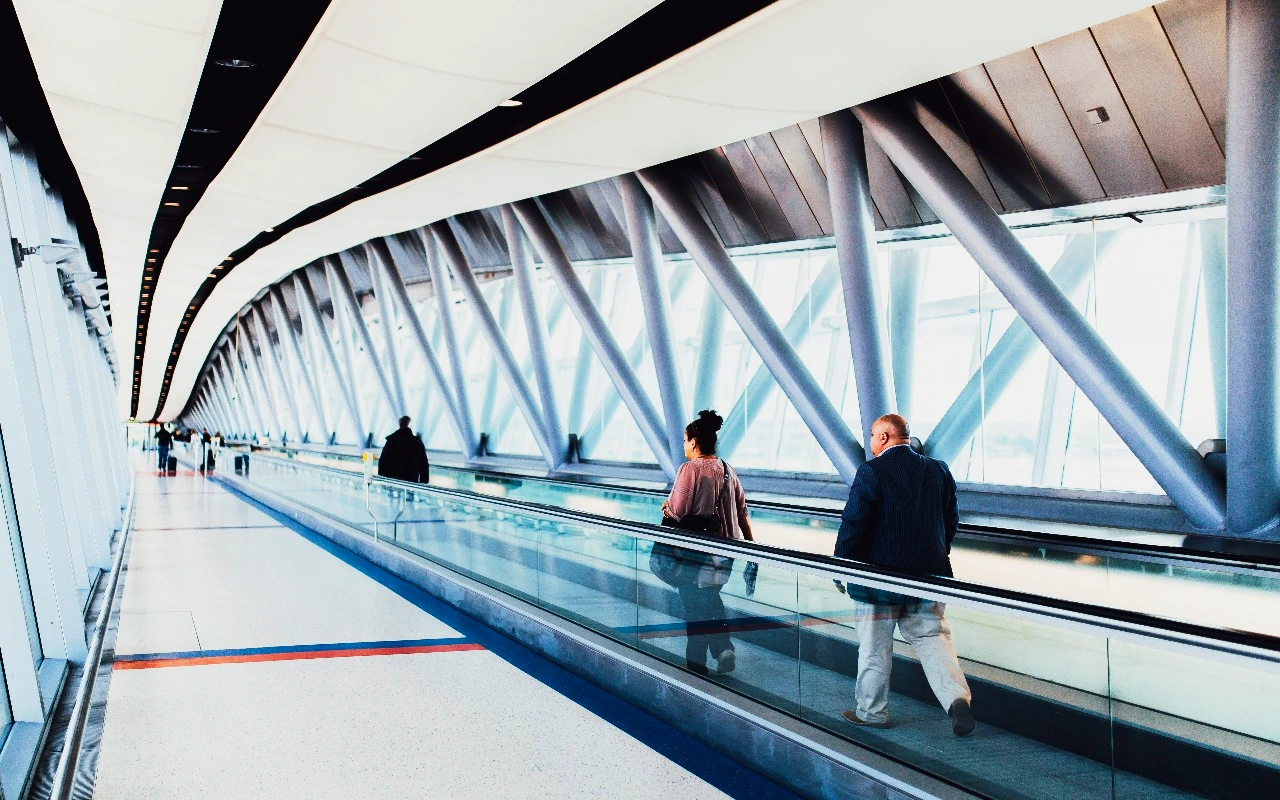
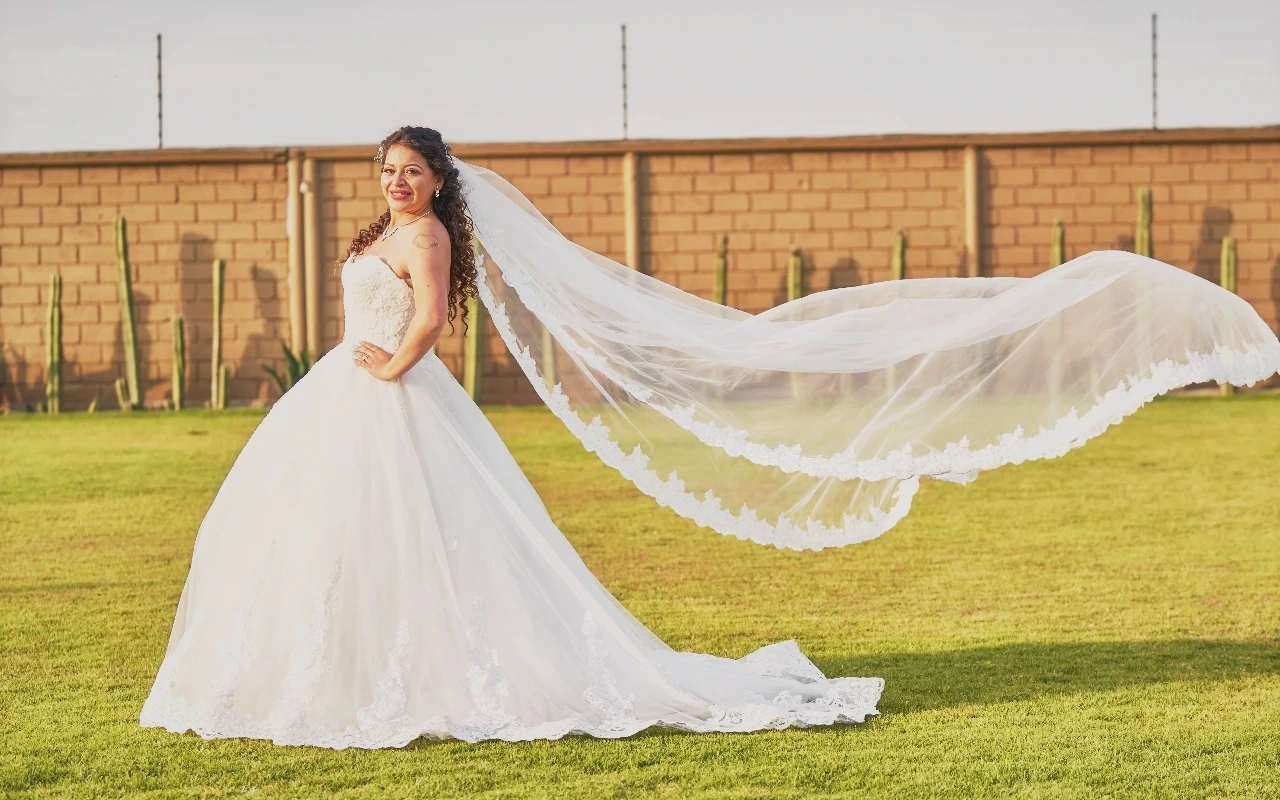
The CineLook Golden Hour transform warms without crushing anything. Exposure lifts by 0.18 and contrast by 12, so the image brightens and gains separation at the same time. Highlights are pulled back 18 while highlight rolloff sits at 28, softening the shoulder so sunlit skin, cloud edges and specular highlights settle instead of clipping to white. Shadows rise 8, which holds detail in backlit faces and foliage that would otherwise collapse. Temperature climbs 28 into amber and tint adds 5 toward magenta, producing a peach cast that reads warm rather than orange. Saturation moves up 10 and vibrance up 16, the larger vibrance figure meaning muted earth tones and greens take most of the change while already-strong reds stay restrained. Grain at 7 leaves faint texture in skies and flat walls, bloom at 14 spills light around bright sources, and a vignette of 10 settles the corners. Midtone texture stays readable throughout.
When to choose it
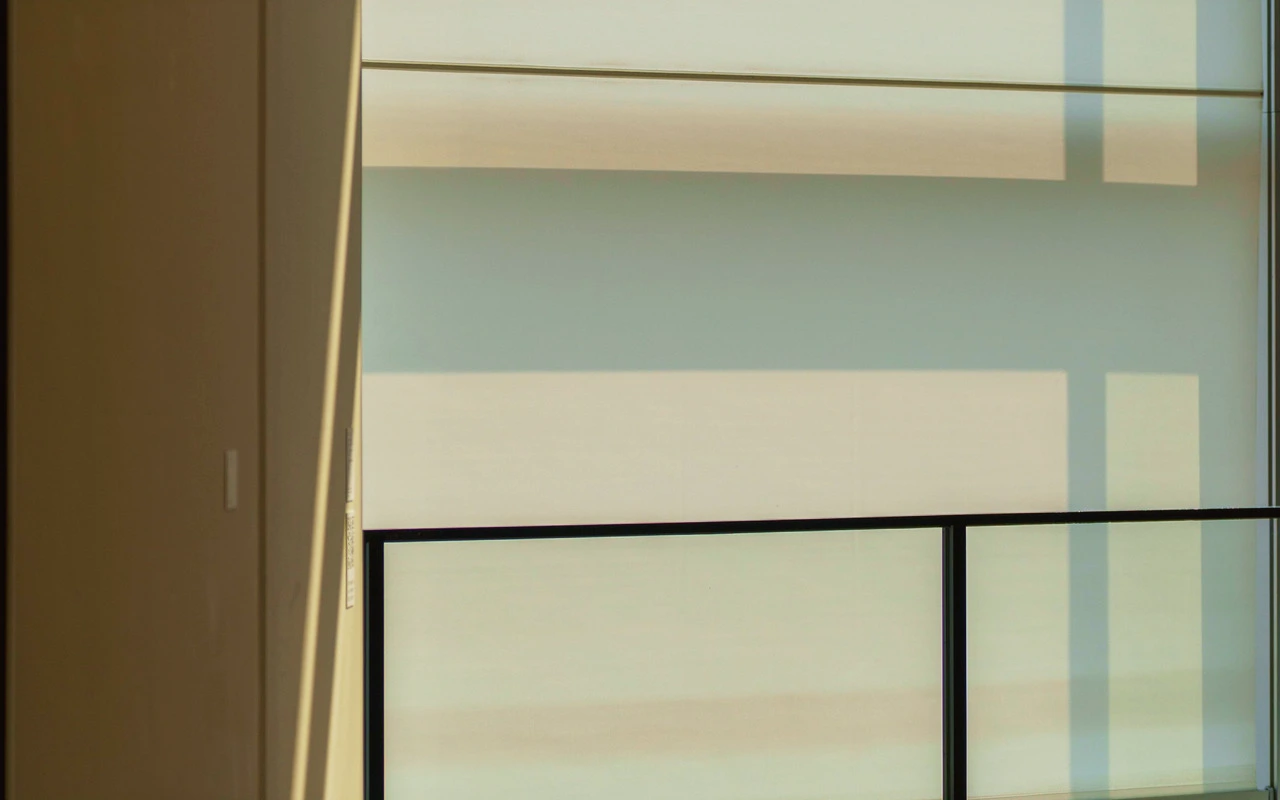
Apply it where the light already has direction and warmth and needs finishing rather than rescue. Late-afternoon and early-morning scenes are the natural territory: backlit portraits, flare crossing the lens, long shadows on pavement, interiors lit by low sun through a window. The pairing of held highlights and lifted shadows also suits high-dynamic-range frames where sun and shade share the same image, such as a subject against a bright sky or foliage with the sun behind it. The light grain and gentle vignette flatter skin, fabric, foliage and stone, materials that read well with softness instead of bite. Flat overcast light gives the warmth and bloom little to work with, and a clinically neutral palette is not what this transform produces.
Working with it in Studio
In CineLook Studio, begin with Temperature and Exposure, since 28 and 0.18 reinforce each other and a small move on either shifts the whole frame. Highlights and Highlight Rolloff work as a pair: when sunlit areas look thin, lower Highlights before raising Rolloff, then bring Rolloff back toward 28 so the shoulder stays soft. Shadow lift at 8 recovers detail in backlit faces. Vibrance carries most of the color change at 16, so leave Saturation near 10 and push it only for a specific hue. Tint at 5 is subtle; pull it toward green if skin reads pink. Film Grain, Bloom and Vignette are app-side finishing. An exported .cube LUT carries Exposure, Contrast, Highlights, Shadows, Temperature, Tint, Saturation, Vibrance and Highlight Rolloff, so grain, bloom and vignette have to be handled outside the LUT.
How it compares
Golden Hour sits between two siblings. Food Cinema pushes contrast to 18, temperature to 17 and vignette to 12, with vibrance at 21 and no bloom, so it reads deeper. Golden Hour answers with contrast 12, temperature 28 and bloom 14, softer, warmer and airier. Travel Vlog stays neutral: temperature 7, vibrance 24, shadows 11, grain 4, and neither bloom nor vignette, built for footage that moves through changing light. Pick Food Cinema for plated food and close product work, where heavier vignette and contrast add texture. Pick Travel Vlog when a warm cast would fight mixed conditions. Keep Golden Hour for a single, continuous late-afternoon feel.
Where it fits in a grade
Golden Hour carries no film stock data, so it works as a standalone creative look rather than an emulation of a camera negative, a finishing print, or a reversal source. In a grade, that places it at the end: correct exposure and white balance until the frame is neutral, make any broader tonal adjustments, and apply this transform as the closing creative statement. Its warmth and lifted shadows already push the image a long way, which leaves little room for a second look stacked on top. The natural partner is a clean, color-corrected base that gives the warmth somewhere honest to sit. Applying it after the base is set, not before, keeps the chain intact.
Transform parameters
Against a neutral starting point the CineLook Golden Hour transform moves exposure +0.18, contrast +12, highlights -18, shadows +8, temperature +28, tint +5, saturation +10, vibrance +16, film grain +7, bloom +14, vignette +10 and highlight rolloff +28.