
CineLook Reversal 100D
Daylight reversal character with crisp contrast, saturated color, and neutral grays.
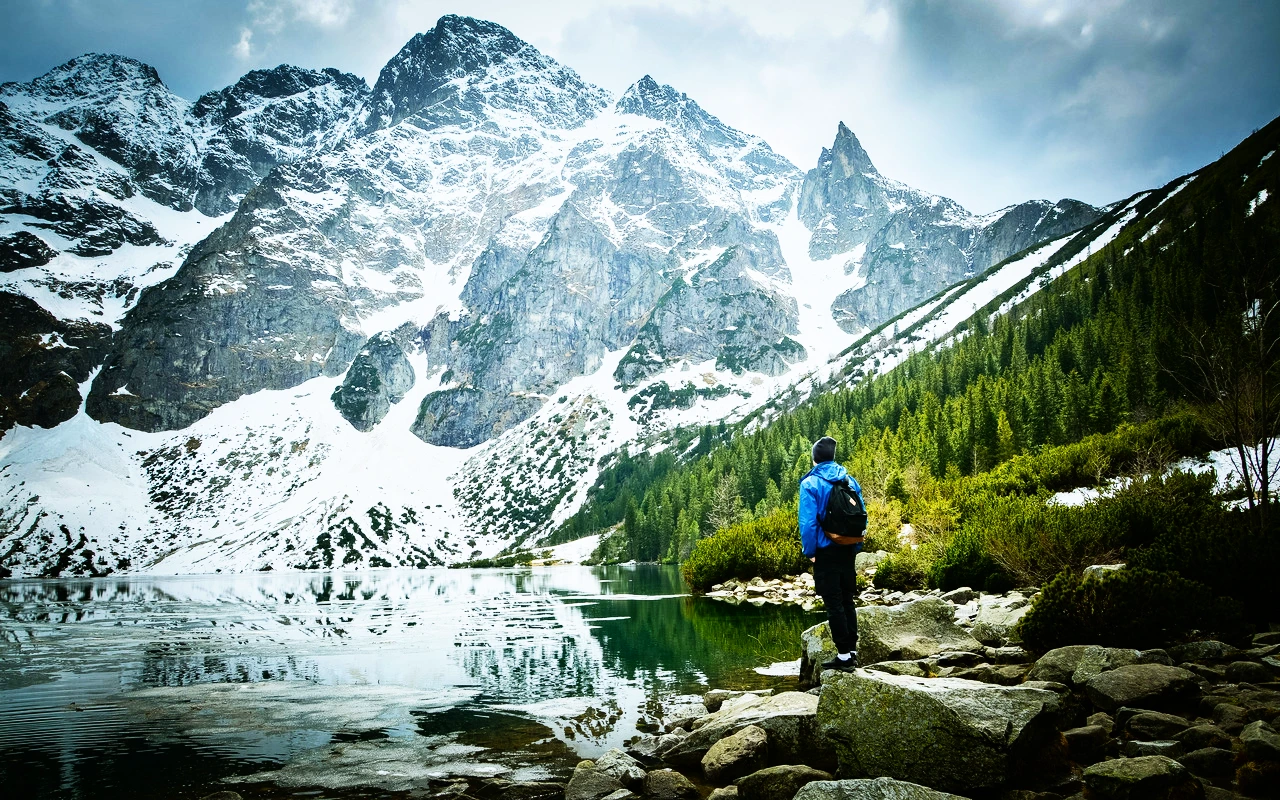
Visual character
Crisp daylight color with neutral grays
Best for
- Travel imagery
- Vivid daylight
- Graphic color compositions
Lighting conditions
- Daylight
- Controlled bright light
Color character
The CineLook Reversal 100D transform spreads the tonal range instead of pressing it together. Shadows ride 0.055 lower, midtones lift by 0.03, and highlights push up 0.095, so an overcast sky or a white wall gains snap while the center of the frame stays open. The highlight shoulder is hard: bright values hold their separation high and give way to clipping rather than bending off gently, which keeps highlights brilliant instead of veiled or milky. Shadows are correspondingly dense, sitting deep and clean instead of lifting into gray haze, so dark clothing and deep shade read as weighty shapes. Color arrives saturated on a daylight balance, and neutral grays stay neutral, keeping concrete, paint, and skin from drifting warm or cool. No color matrix sits behind the curve; the curve alone shapes color. At its nominal ISO 100 the grain is fine, so frames read crisp and graphic rather than soft. Midtones take the smallest share of the shift.
When to choose it
CineLook Reversal 100D earns its place when the light is already doing something and the frame has strong shapes to hold. Travel imagery is its natural home: painted facades, market stalls, water and sky, the saturated daylight scenes where color separation matters more than atmosphere. It suits graphic compositions built on flat color panels and hard edges, where a crisp jump between tones helps the design read. Daylight and controlled bright light are both its territory, whether that is midday sun, open shade against a bright background, or a setup where the key is clean and the highlights are held. It fits less well where a scene depends on soft wrapping light or low-contrast haze; dense shadows and a hard highlight shoulder can bury detail the shot needs. Rooms lit only by practicals sit outside that range.
Working with it in Studio
Start with Exposure: underexposed frames leave the dense shadow end little to recover. Contrast is where the reversal character lives, and easing it back opens the shadows without flattening the highlight edge. Highlights and Highlight Rolloff work as a pair; use rolloff when white surfaces clip and leave it alone when graphic snap matters. Lift Shadows slightly for texture in dark clothing. Temperature and Tint pull a drifting scene back toward the daylight balance the Look assumes, and small moves go a long way in the neutral grays. Saturation is the main color lever; Vibrance is the gentler option on mixed scenes. Film Grain, Bloom, and Vignette stay inside the app, so keep grain modest over already fine texture; a .cube export carries the nine grading controls and leaves those three behind.
How it compares
High contrast runs through all three, so color and highlight behavior separate them. CineLook Eterna Bleach is the outlier by stage: a creative-process Look on a neutral balance rather than daylight, cutting chroma back instead of holding it saturated, with medium grain against this Look's fine grain and dense highlights. Pick it for cool, desaturated weight. CineLook Reversal Vivid shares the daylight balance and fine grain, but its highlights are dense and compact where Reversal 100D's are hard, and its RGB separation runs more vivid than the neutral-gray restraint here. Choose Reversal Vivid for punchier primaries, Reversal 100D when grays must stay neutral and highlight separation must hold.
Where it fits in a grade
This Look is a reversal source, so it stands in for the captured image rather than finishing one. Place it early, on an ungraded frame, and let it establish the contrast and color that later steps work from. High contrast and a hard highlight shoulder leave little room to pull the bright end back afterward, so any further contrast belongs after it, in small moves. The daylight balance makes white balance the first decision, settled upstream before the Look is applied. Neutral skin tones mean portrait correction, if any, can follow rather than precede it. It pairs with a finishing print Look applied afterward, which carries the finish while the source keeps its own contrast and color.
Transform parameters
The CineLook CineLook Reversal 100D transform leaves every adjustment slider at its neutral value and carries the look in its colour transform instead. Its channel matrix keeps the 1.045 / 1.050 / 1.050 diagonal and mixes at most 0.032 of one channel into another, so hues stay close to their source while crosstalk stays controlled. The luma curve sits 0.095 above the linear ramp at three-quarter tone, which is where the shoulder starts to bend.