Crime Scene
Clinical cool tones, sharp contrast, and a tense night-time palette.
Visual character
Dark procedural tension and grit
Color character
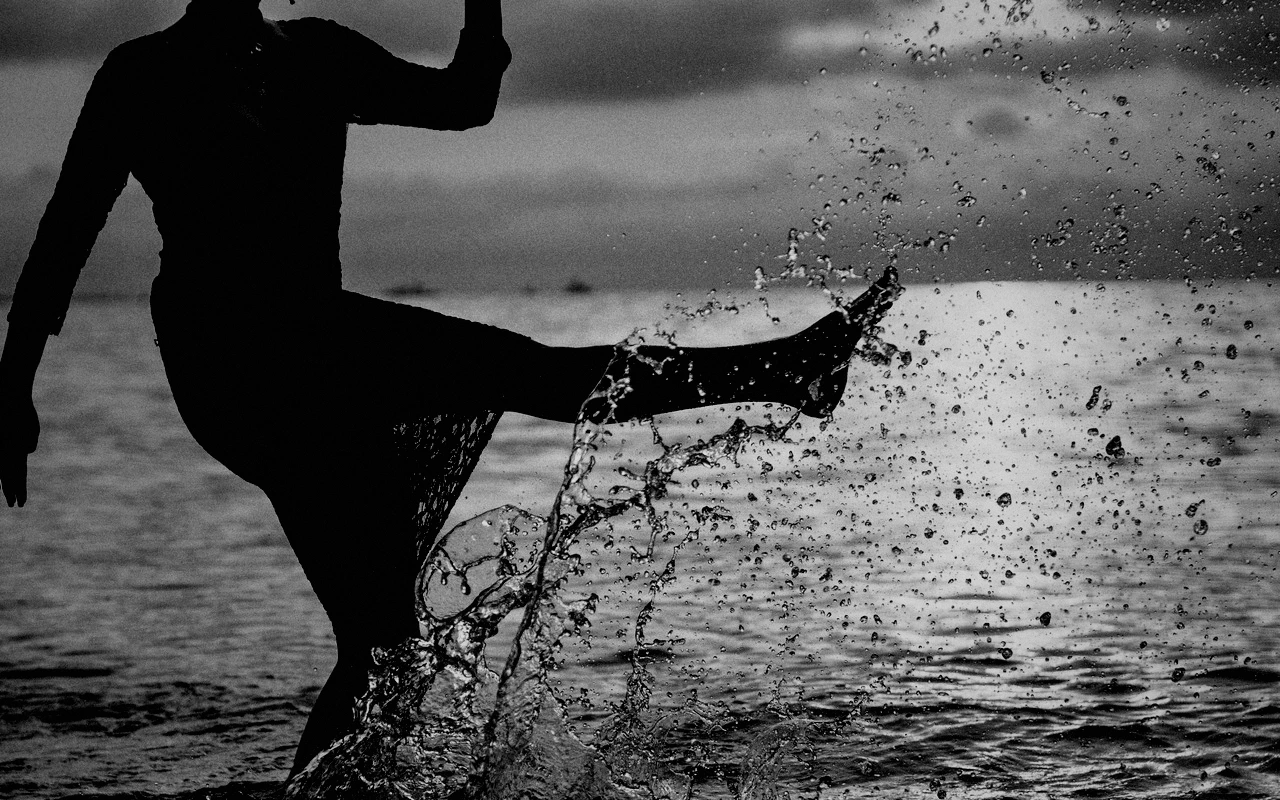
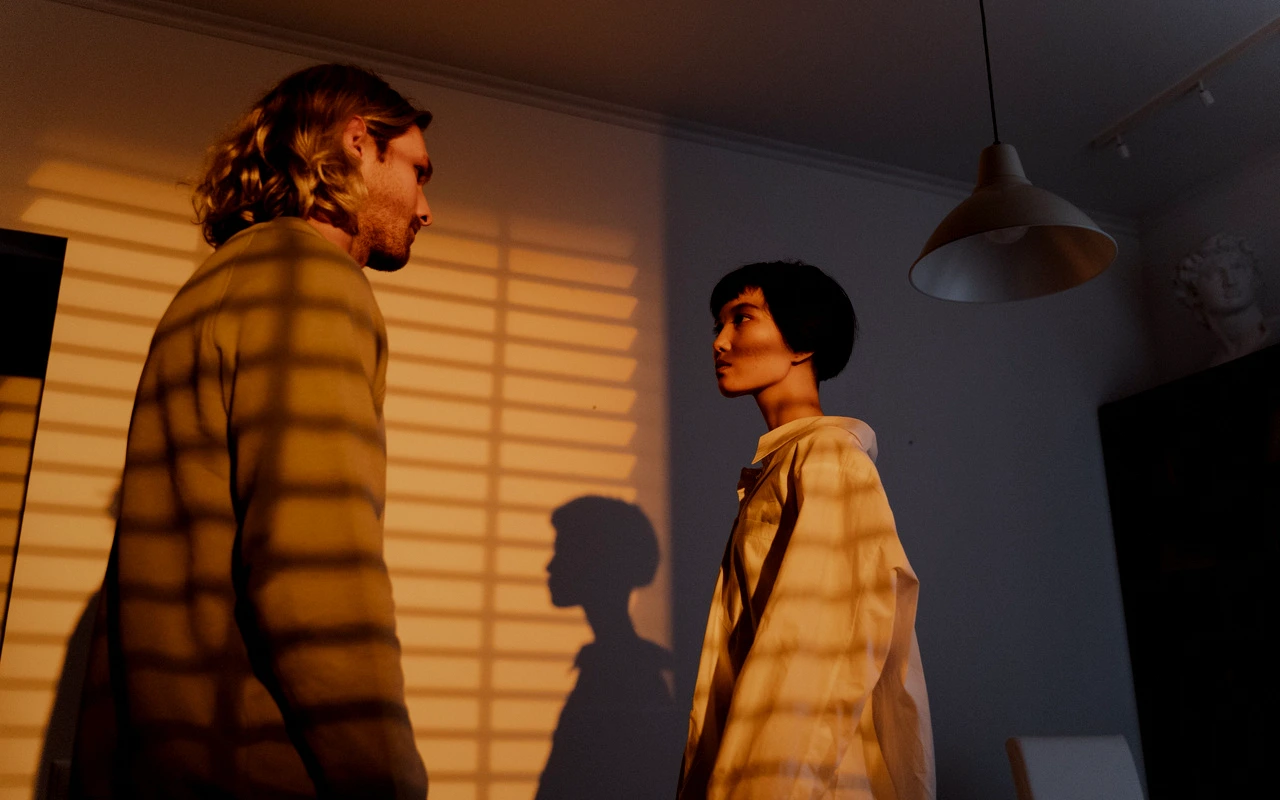
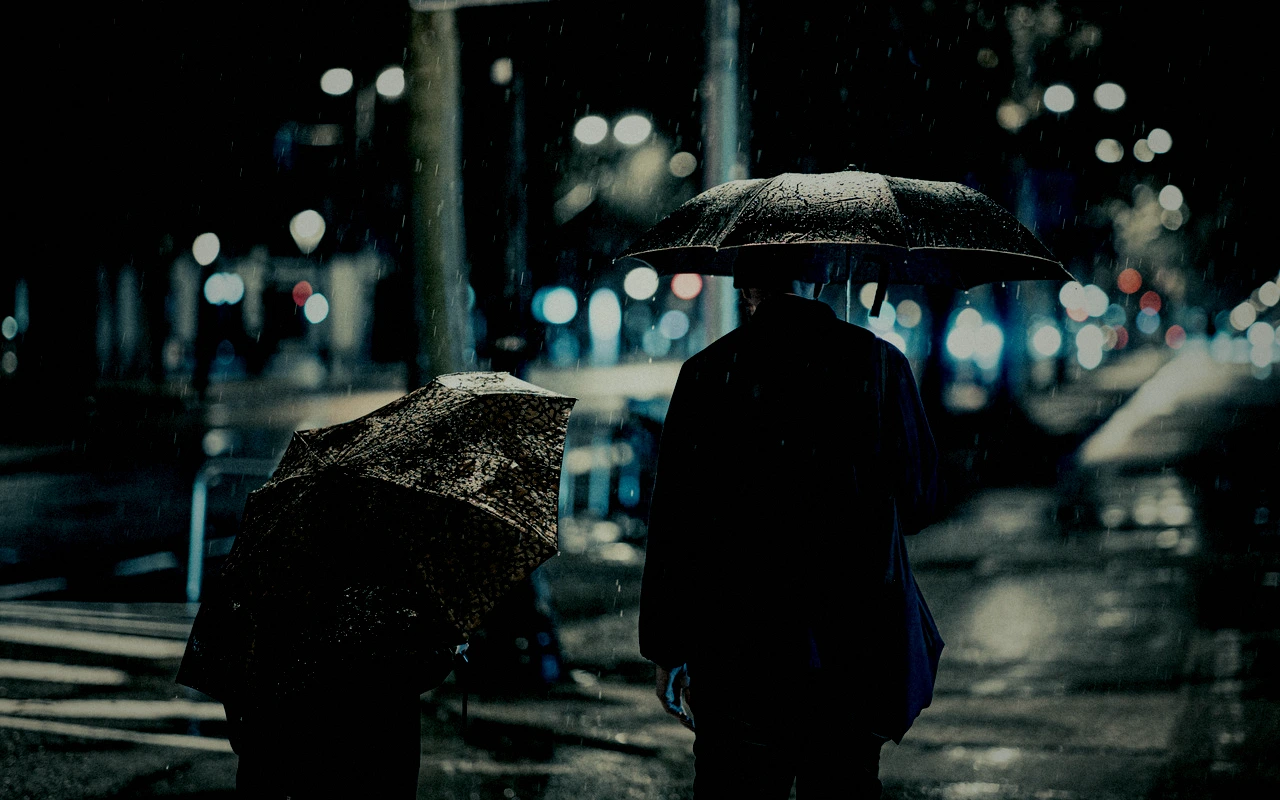
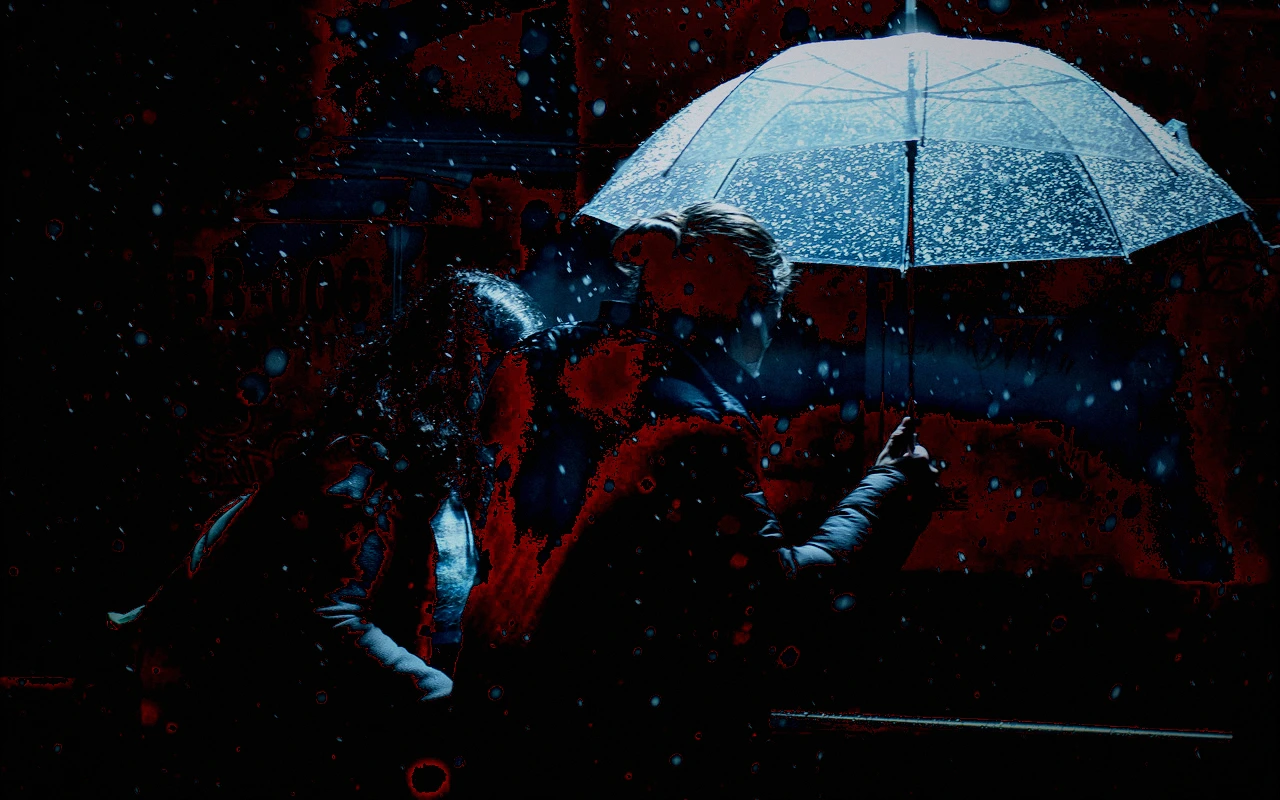
Crime Scene takes a small amount off exposure at -0.22, then pushes contrast to 30 so the frame separates quickly into deep shadow and clean light. Highlights are held down by 20, which keeps practicals and bright surfaces from blowing, while shadows fall 30 and settle into the recessed, closed-in quality the description calls clinical. Together they keep both ends compressed, so faces and walls read against darkness rather than glare. Temperature moves 18 toward the cool side, and tint at 11 leaves skin pale and slightly flushed instead of neutral, steering white walls, tile and metal toward a faint cyan. Saturation is cut 14, but vibrance rises to 12, so quieter colors keep some presence while stronger ones stay subdued. Film grain at 19 gives a fine, visible texture, bloom at 7 adds a slight halo around bright sources, vignette at 31 darkens the corners, and highlight rolloff at 29 eases the top end. No channel matrix or custom curve carries the look; the grade values do.
When to choose it
Night work is the natural home for the CineLook Crime Scene transform: interiors lit by practicals, corridors running on mixed fluorescents, rooms where walls are white or tiled and the surfaces are glass, steel or painted concrete. The cool balance and the corner falloff suit spaces that should feel inspected rather than welcoming, and the deep shadows hold up in low-key setups where most of the frame sits below middle gray. Because saturation is already reduced, blue and gray wardrobe, uniforms and neutral production design stay clean instead of turning muddy. The fine grain and slight bloom read as texture on skin and fabric. Daylight is harder: the strong contrast can swallow open shade, and the palette is built for darkness and artificial light.
Working with it in Studio
Applied in CineLook Studio, the transform works as a starting grade. If contrast at 30 feels brittle on faces, lower Contrast and lift Shadows from -30; the same lift recovers separation when blacks go flat on a projector or phone. Temperature and Tint are worth adjusting together, since warming temperature while tint stays at 11 can leave skin looking sickly. Saturation and Vibrance trade against each other: raise Vibrance for color in muted areas, lower Saturation for a drier frame. Highlight Rolloff at 29 is the control for bright windows that need a gentler shoulder, and Exposure trims the overall level. Film Grain, Bloom and Vignette stay in the app; a .cube LUT export carries Exposure, Contrast, Highlights, Shadows, Temperature, Tint, Saturation, Vibrance and Highlight Rolloff.
How it compares
Two siblings sit close by. Dark Thriller is the heavier option: exposure -0.35 against -0.22, contrast 34 against 30, shadows -37 against -30, and a vignette of 36 against 31, while saturation sits at -25 and tint at 8, so it crushes harder and drains more color. Nordic Crime goes the other way, with contrast 22, temperature -28, tint -5 and saturation -40, plus rolloff at 36, for a paler, colder, almost colorless atmosphere. Dark Thriller suits a frame that should feel oppressive, the corners closing in; Nordic Crime suits overcast, washed-out desolation. Crime Scene holds the middle, keeping contrast and some color while staying cool.
Where it fits in a grade
Crime Scene is a genre look rather than a camera negative or a print stock, so it belongs at the end of the chain, not near the capture. Correct exposure and white balance on a neutral base first, then apply the Look as the final creative statement; its cool balance, firm contrast and deep shadows need a properly exposed frame underneath so faces and detail stay readable. That neutral base is the natural partner, and because the Look already carries the contrast and the black level, adding another creative transform after it usually flattens the separation rather than deepening it. Keep any later adjustment technical and small: a delivery trim on exposure or rolloff, then the .cube export.
Transform parameters
Against a neutral starting point the CineLook Crime Scene transform moves exposure -0.22, contrast +30, highlights -20, shadows -30, temperature -18, tint +11, saturation -14, vibrance +12, film grain +19, bloom +7, vignette +31 and highlight rolloff +29.