Modern Drama
Restrained saturation and dimensional contrast for character-driven work.
Visual character
Natural skin with restrained color
Color character
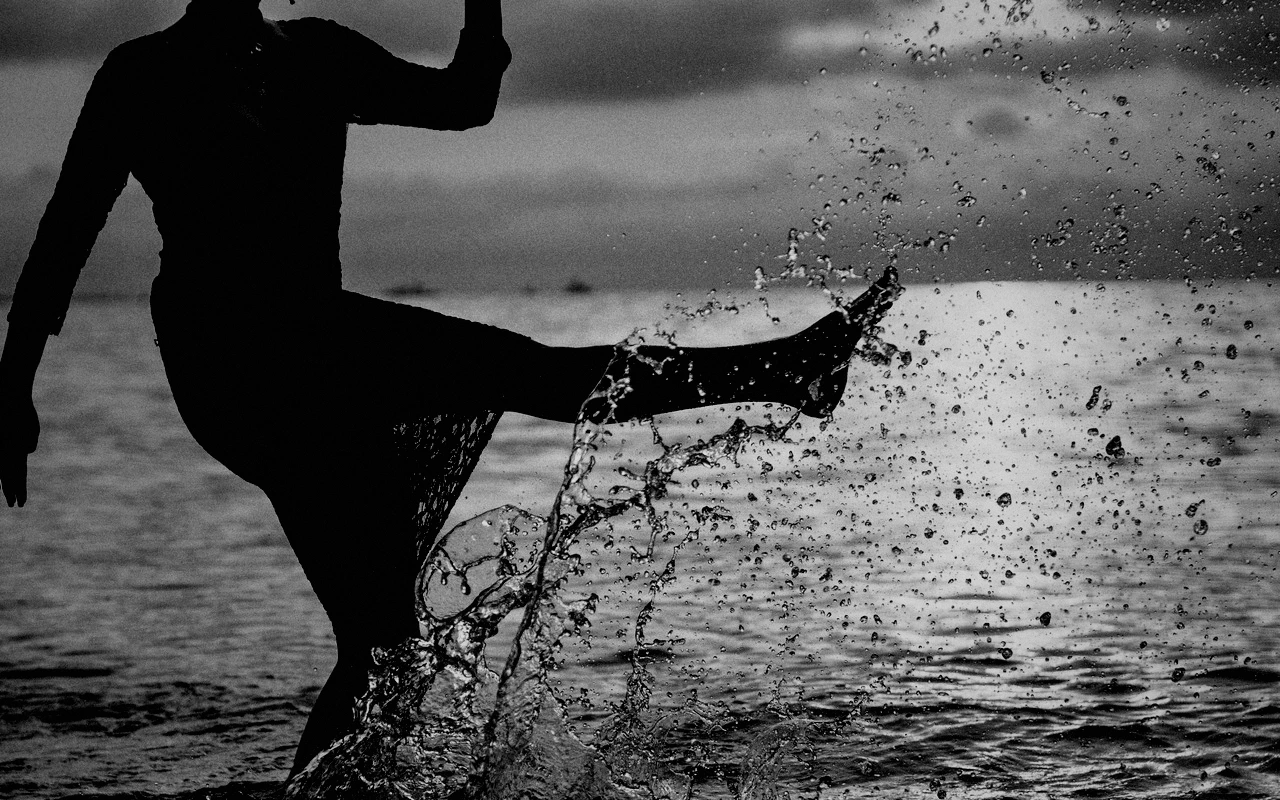
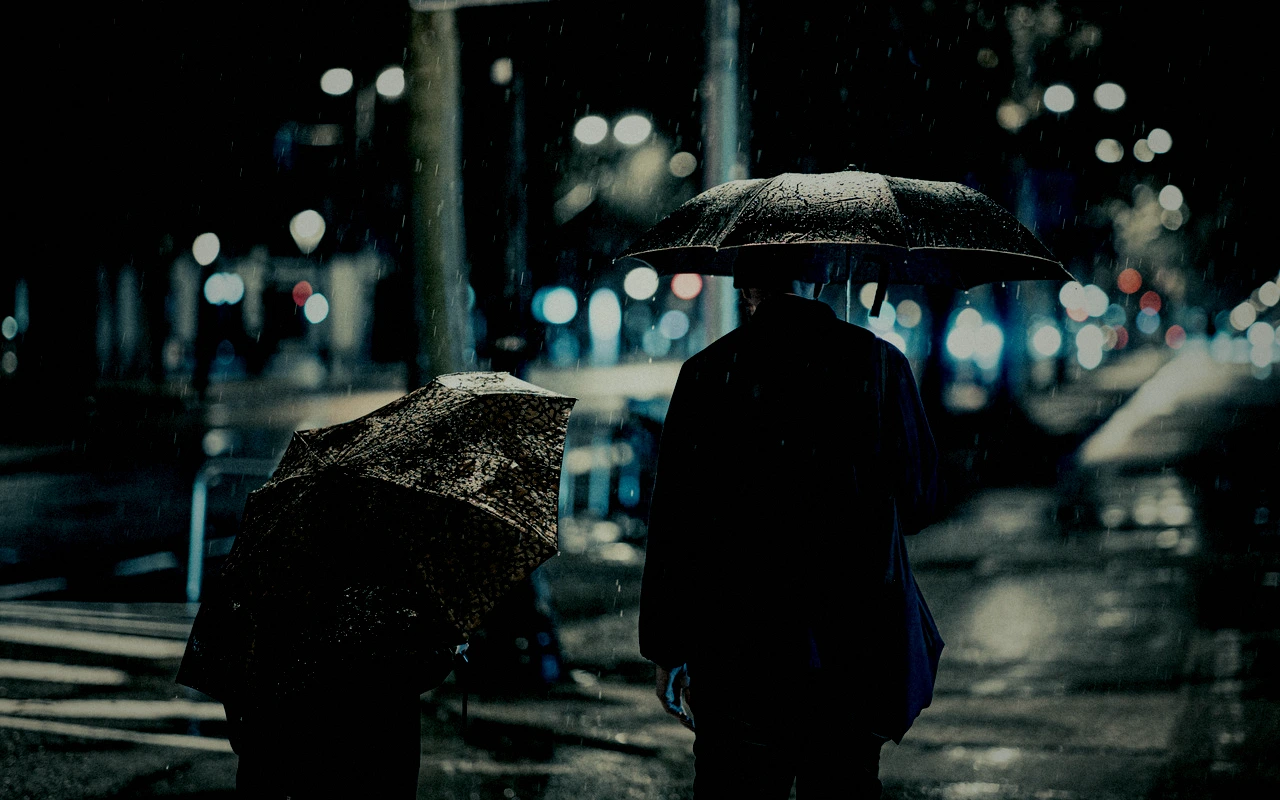
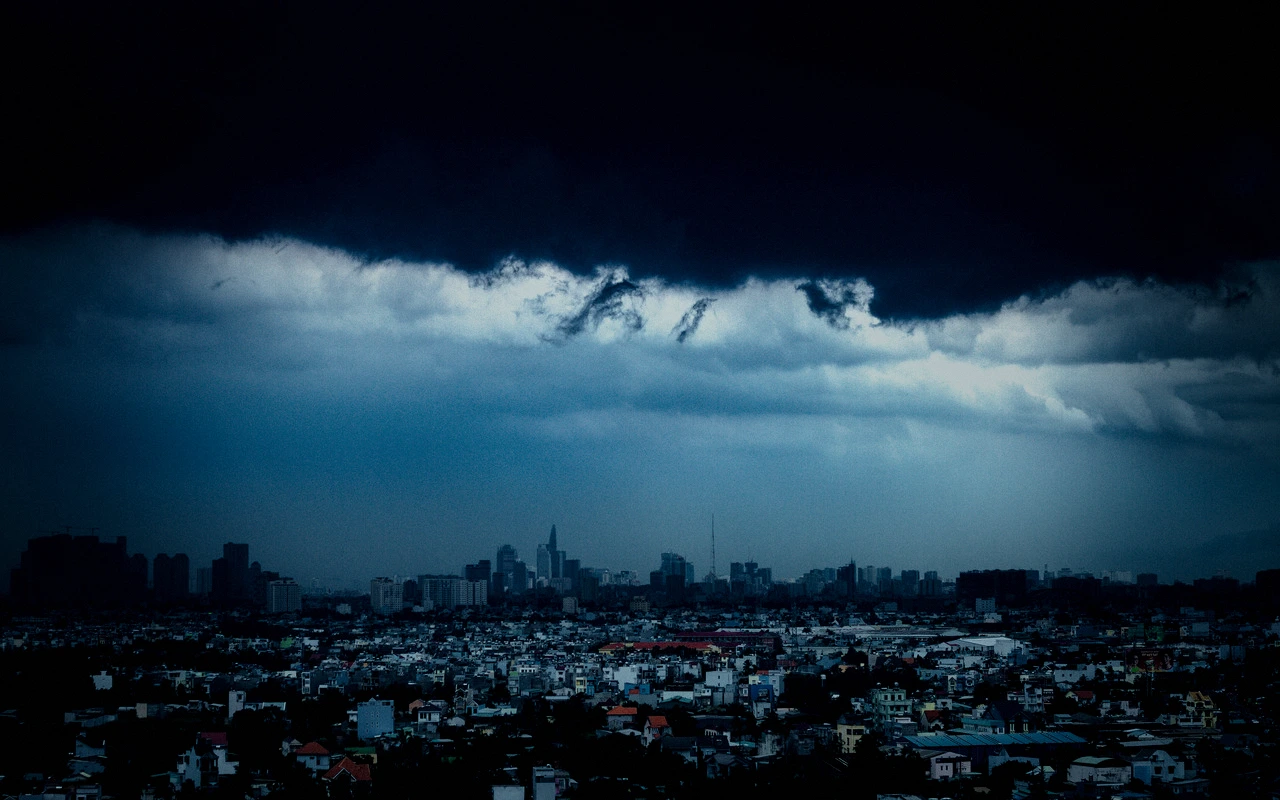
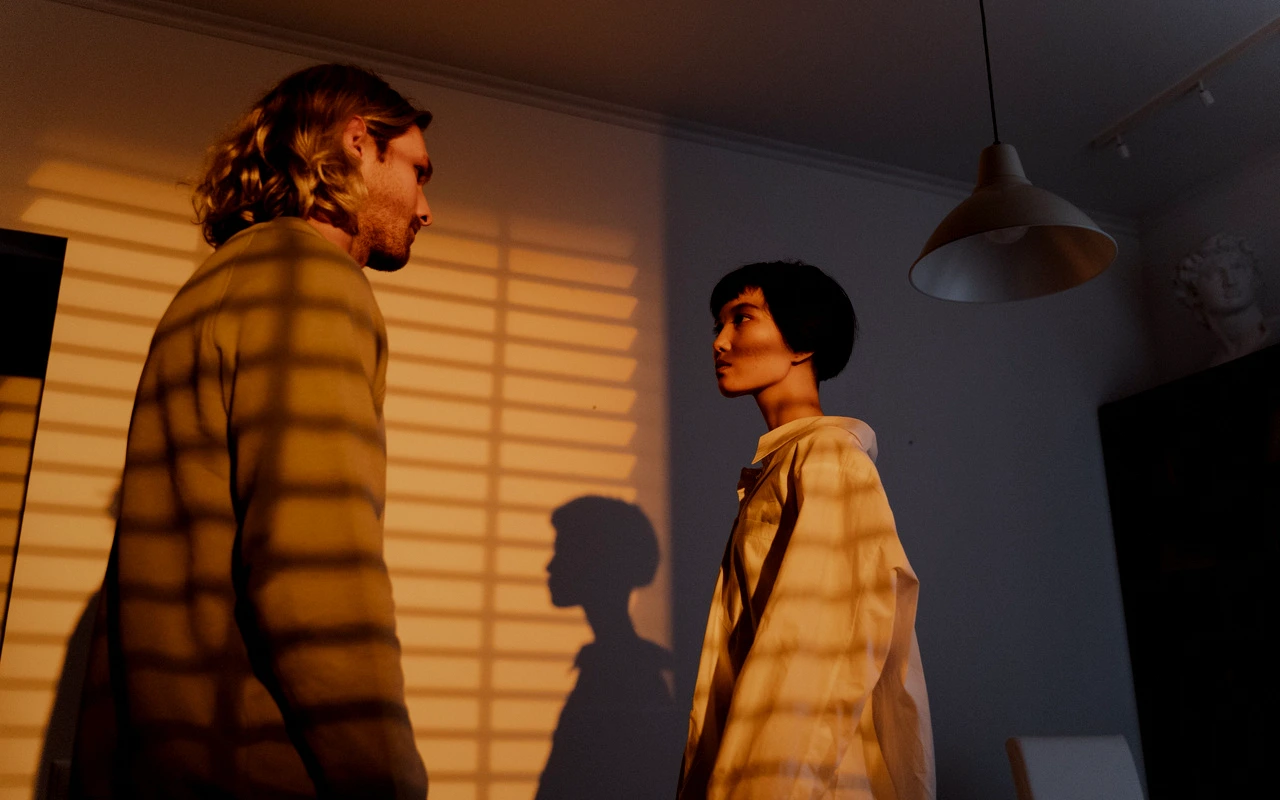
The CineLook Modern Drama transform treats contrast as separation rather than punch. A contrast value of 15 sits against a highlights reduction of -24 and only -6 on shadows, so the added separation lands through the midtones while shadow depth stays close to neutral. Highlight rolloff at 38 keeps the shoulder soft, so a bright window or a lamp in shot holds shape instead of clipping to flat white. Exposure moves just -0.05, a rounding more than a mood. Color balance runs faintly warm and slightly magenta, temperature 3 and tint 3, enough to keep complexions from going ashen once saturation drops 12. Vibrance at 10 pulls the other way, lifting muted chroma so fabrics, foliage and painted walls keep their identity while the overall palette stays restrained. Grain at 11 and vignette at 14 add an even, light texture and a gentle edge falloff, present but not emphatic. The result is the look of natural skin with restrained color, quiet and dimensional.
When to choose it
Modern Drama suits work carried by faces and rooms rather than spectacle: dialogue scenes, interiors lit with practicals, daylight coming through windows, and any frame where a performance has to hold attention without color doing the selling. The restrained palette keeps wardrobe and set dressing from competing with the actor in the center of frame, and the soft highlight shoulder tolerates a lamp in shot or a bright window behind a shoulder without turning either into a clipped white patch. Shadows fall only 6 below neutral, so detail survives in the lower registers instead of going to solid black, and the modest vignette at 14 draws the eye inward without announcing itself. It fits a project that needs a naturalistic, contemporary surface across a whole sequence, and where consistency between setups matters more than one striking image.
Working with it in Studio
The CineLook Modern Drama transform loads with its grade in place, and CineLook Studio exposes every value. Contrast and Highlights are where the grade declares itself, at 15 and -24; small moves there shift the balance between separation and softness quickly. Saturation at -12 is the setting likely to need adjusting; pair it with Vibrance at 10 so pulling color further down does not flatten fabric and foliage into one gray. Temperature and Tint, both 3, work as gentle offsets against white balance drift. Highlight Rolloff at 38 is worth keeping high while bright windows stay in frame. Film Grain at 11, Vignette at 14 and Bloom preview inside the app; the .cube export carries Exposure, Contrast, Highlights, Shadows, Temperature, Tint, Saturation, Vibrance and Highlight Rolloff, while grain, bloom and vignette stay in-app.
How it compares
The difference from Hollywood Blockbuster is direction as much as degree: contrast at 15 against 27, saturation at -12 against 13, warmth at 3 against 9, and highlights compressed to -24 where Hollywood Blockbuster holds -17, with a softer shoulder at rolloff 38 versus 25. Hollywood Blockbuster also carries bloom; choose it when a frame needs declaration rather than restraint. Crime Scene keeps the muted palette but turns cold: contrast 30, shadows -30, temperature -18 and vignette 31, against 15, -6, 3 and 14 here, with grain 19 rather than 11. Pick Crime Scene for procedural unease; keep Modern Drama where faces must stay legible and warm.
Where it fits in a grade
Modern Drama is a creative genre Look rather than a camera negative or a print Look, so it belongs late in the chain, after primary correction has settled exposure and white balance. Because the grade carries its own contrast, soft highlight shoulder and near-neutral shadows, it pairs with a neutral base; stacking it over another strong transform hides where its separation begins and ends. That restraint also lets it hold the final position on projects that want a contemporary surface without a film emulation. Sequence it after the base grade is in place, so the image is settled before its own texture and edge falloff come into play.
Transform parameters
Against a neutral starting point the CineLook Modern Drama transform moves exposure -0.05, contrast +15, highlights -24, shadows -6, temperature +3, tint +3, saturation -12, vibrance +10, film grain +11, vignette +14 and highlight rolloff +38.