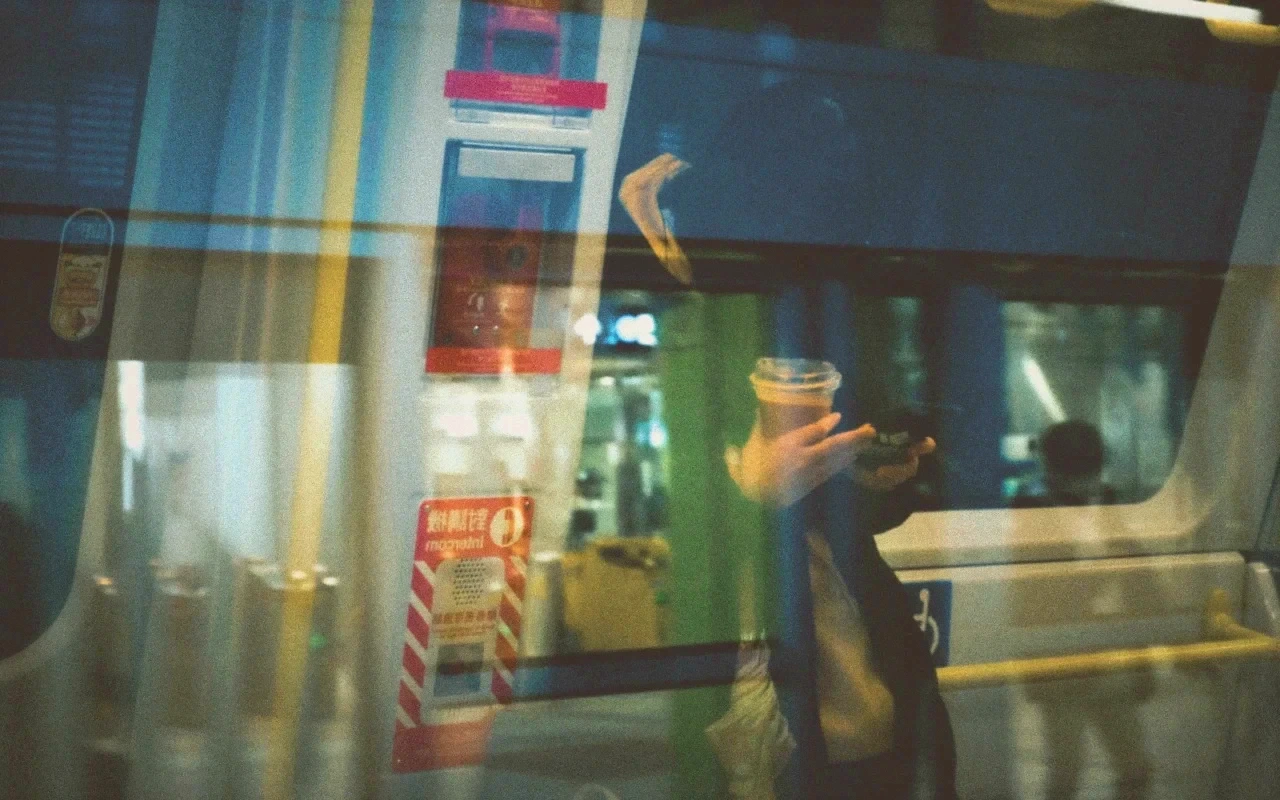
Cross Process
Experimental chemical-process character with cool lifted shadows, warmer compressed highlights, asymmetric channel response, and vivid chemical contrast.
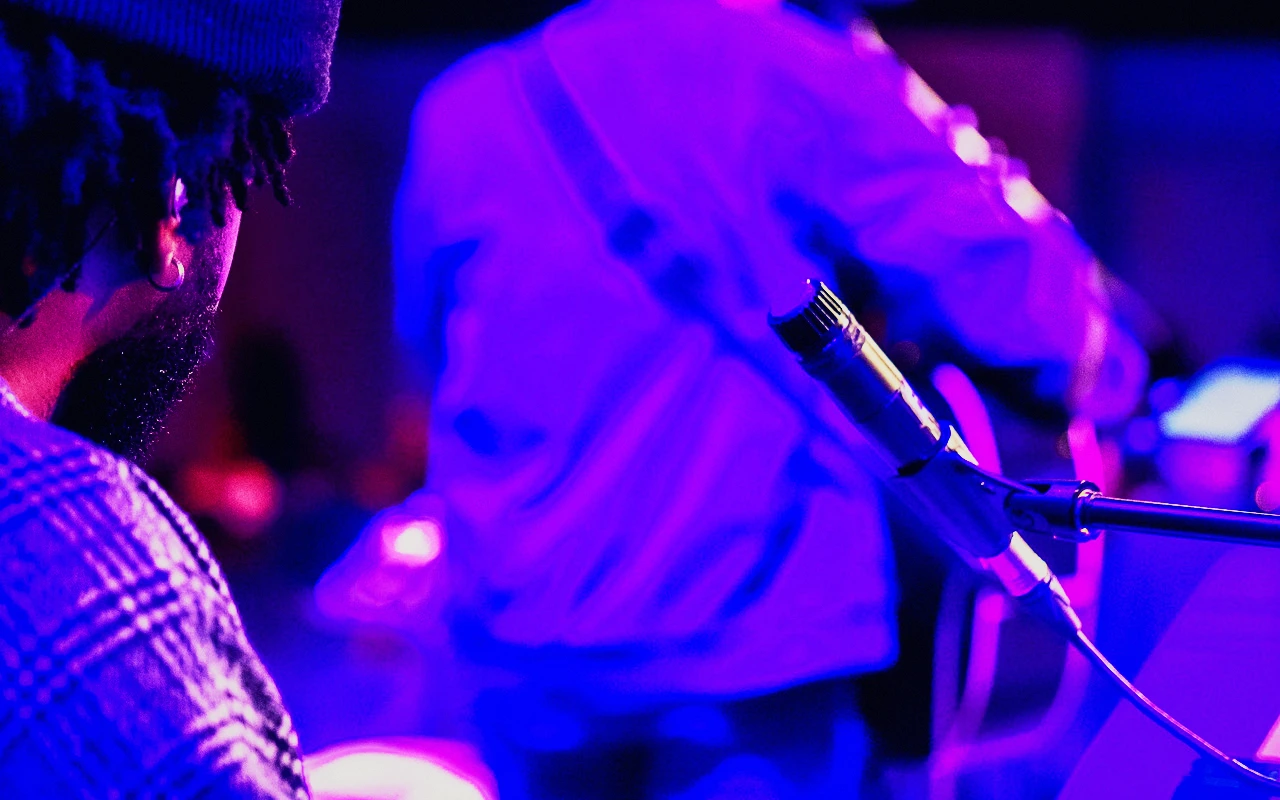
Visual character
Asymmetric chemical color with split tonal bias
Best for
- Experimental narrative color
- Music and fashion imagery
- Graphic daylight scenes
Lighting conditions
- Daylight
- Hard mixed light
- Controlled high-chroma scenes
Color character
Cross Process sets contrast at 21 and holds exposure almost still at 0.02, so frames gain punch rather than brightness. Highlights sit at -8 and shadows at -12: the top compresses, the bottom densifies, and a Highlight Rolloff of 23 eases the very top of the range instead of letting it snap to white. The asymmetry that defines the transform lives in the tone curve: shadow response drops, midtones rise, and highlights finish higher than they started, a lopsided stretch rather than a symmetrical S. Color runs warm at +3 temperature and magenta-ward at +6 tint. Saturation adds 16 and vibrance 18, lifting muted colors proportionally more than loud ones, which is where the chemical vividness comes from. Grain reaches 13 for a medium, visible texture; bloom adds 5 of faint highlight bleed, and a vignette of 8 weights the corners. Skin tone bias stays protected, so faces keep their structure while surrounding color goes loud.
When to choose it
Cross Process suits work where color can carry the scene. Its strengths are experimental narrative color, music and fashion imagery, and graphic daylight scenes, all situations where the palette is part of the storytelling rather than a neutral container. Daylight is the native condition, and hard mixed light is where the cool-shadow, warm-highlight split reads clearly. Controlled high-chroma scenes also suit it, because saturated production design gives the vibrance lift something to amplify. Step away when color has to stay measurable: product work, wardrobe matching, and any frame where a client will compare swatches against the original. Soft single-source interiors tend to mute the effect, since the transform needs separation between the ends of the curve to show what it does. Apply it as a creative look after exposure and white balance are settled.
Working with it in Studio
In CineLook Studio, decide first how much asymmetry to keep. Contrast at 21 and shadows at -12 define the character; easing contrast toward 10 while leaving shadows alone softens the lower end without touching the shoulder. Temperature and tint are inexpensive repairs, since a point or two can rescue a frame that reads too warm or too magenta. Vibrance earns more attention than saturation here; when one color object shouts, pull vibrance before saturation. Raise Highlight Rolloff above 23 for frames with practical lights or bright sky. Film Grain, Bloom, and Vignette render in the app only, so a .cube LUT export includes exposure, contrast, highlights, shadows, temperature, tint, saturation, vibrance, and highlight rolloff, while grain and edge darkening simply do not travel with it.
How it compares
Cross Process sits between two siblings that each subtract something. Bleach Bypass Print pushes contrast to 27 and drops saturation to -42 with vibrance at 4, deepening shadows to -22 for a silver, nearly monochrome density; choose it when texture and weight should outrank color. Faded Release Print goes the other direction: contrast -17, shadows lifted 22, temperature 9, saturation -28, and rolloff 38 for soft, aged highlights, the pick for wear and milky blacks. Cross Process keeps saturation at 16 and vibrance at 18. Both siblings cut color or contrast; this one keeps chroma and spends that intensity on the curve instead.
Where it fits in a grade
Cross Process is a standalone creative look, not a camera negative or a print emulation, so it works as the final statement in a grade rather than a foundation other transforms build on. Its native balance is neutral, so nothing in it expects a particular stock's color bias to be canceled first. Pair it with a clean, neutral base instead of another grainy source: its medium grain would stack, and its high contrast, hard highlights, and dense shadows leave little headroom for anything contrast-heavy placed after it. Use it where the grade ends, and let it be the one making the color decision, so its bias is not later undone by another transform.
Transform parameters
Against a neutral starting point the CineLook Cross Process transform moves exposure +0.02, contrast +21, highlights -8, shadows -12, temperature +3, tint +6, saturation +16, vibrance +18, film grain +13, bloom +5, vignette +8 and highlight rolloff +23. Its channel matrix keeps the 1.070 / 1.120 / 1.050 diagonal and mixes at most 0.100 of one channel into another, so hues stay close to their source while crosstalk stays controlled. The luma curve sits 0.092 above the linear ramp at three-quarter tone, which is where the shoulder starts to bend.