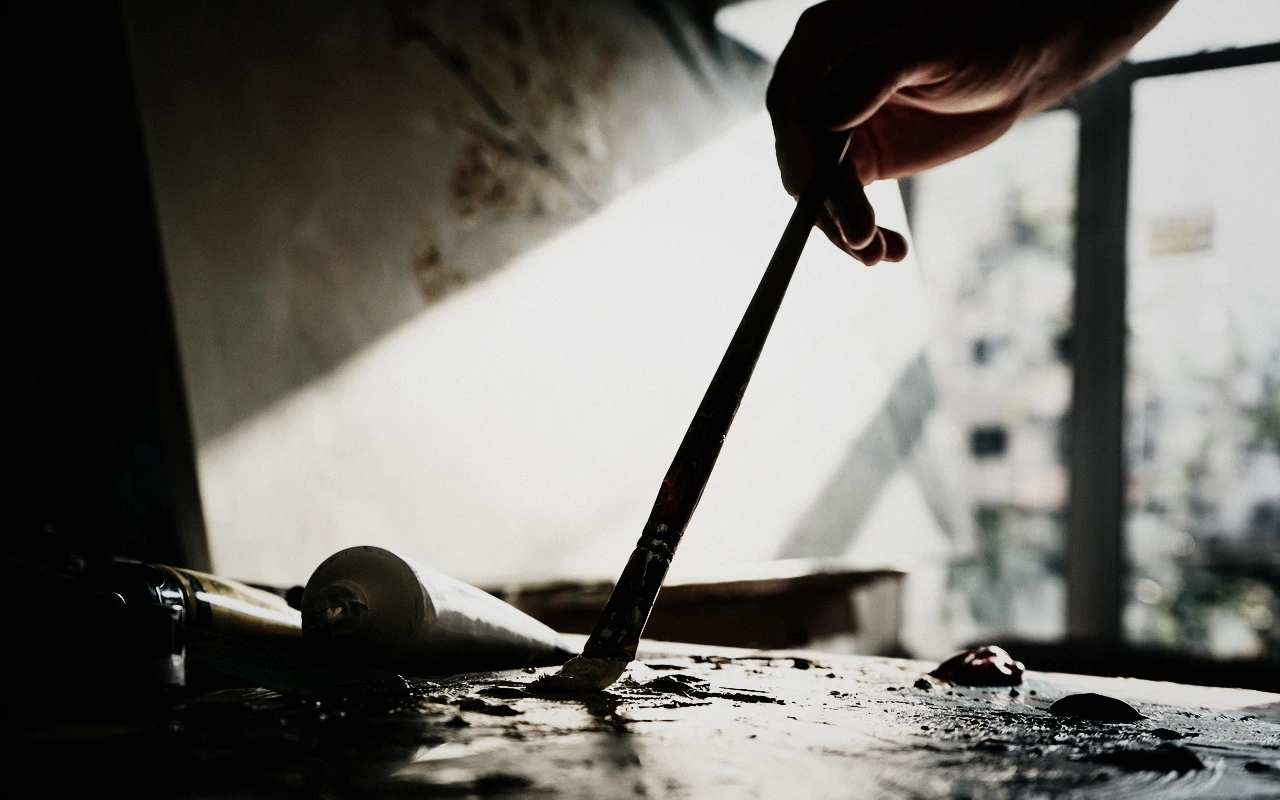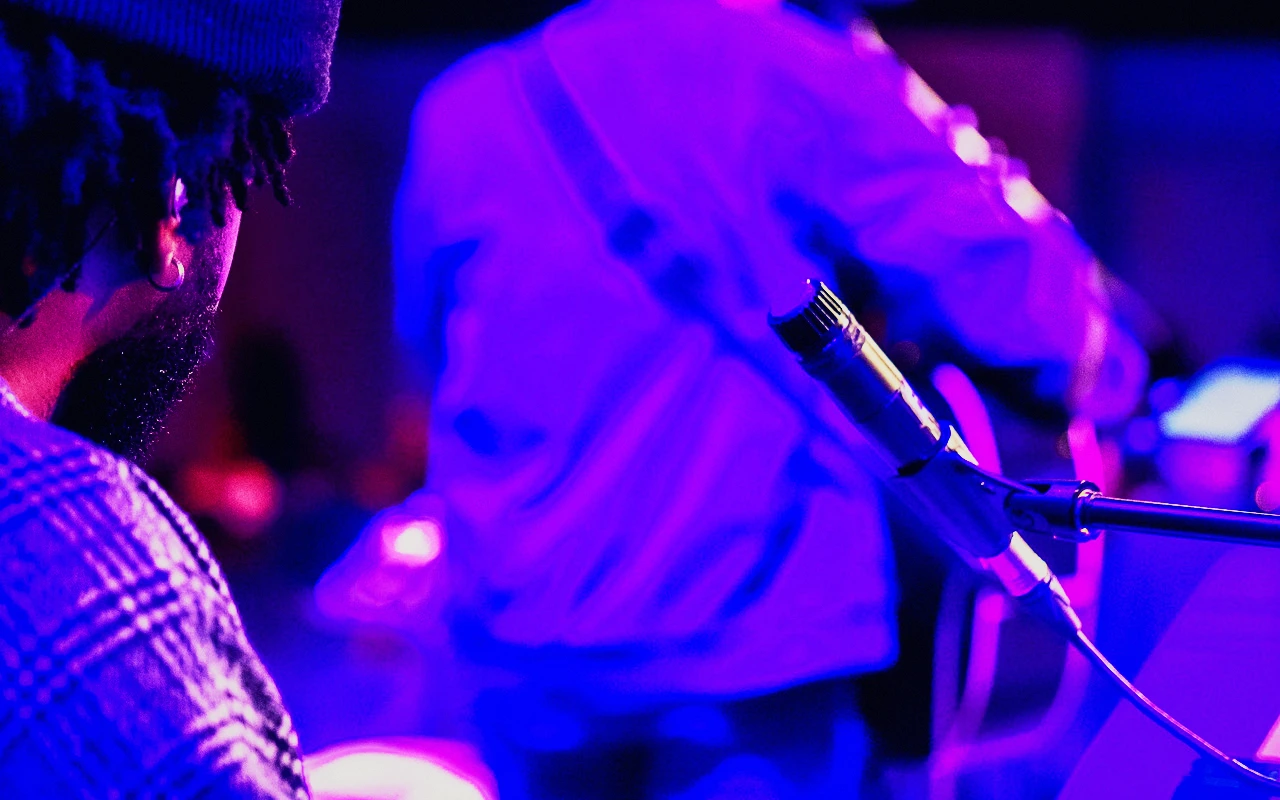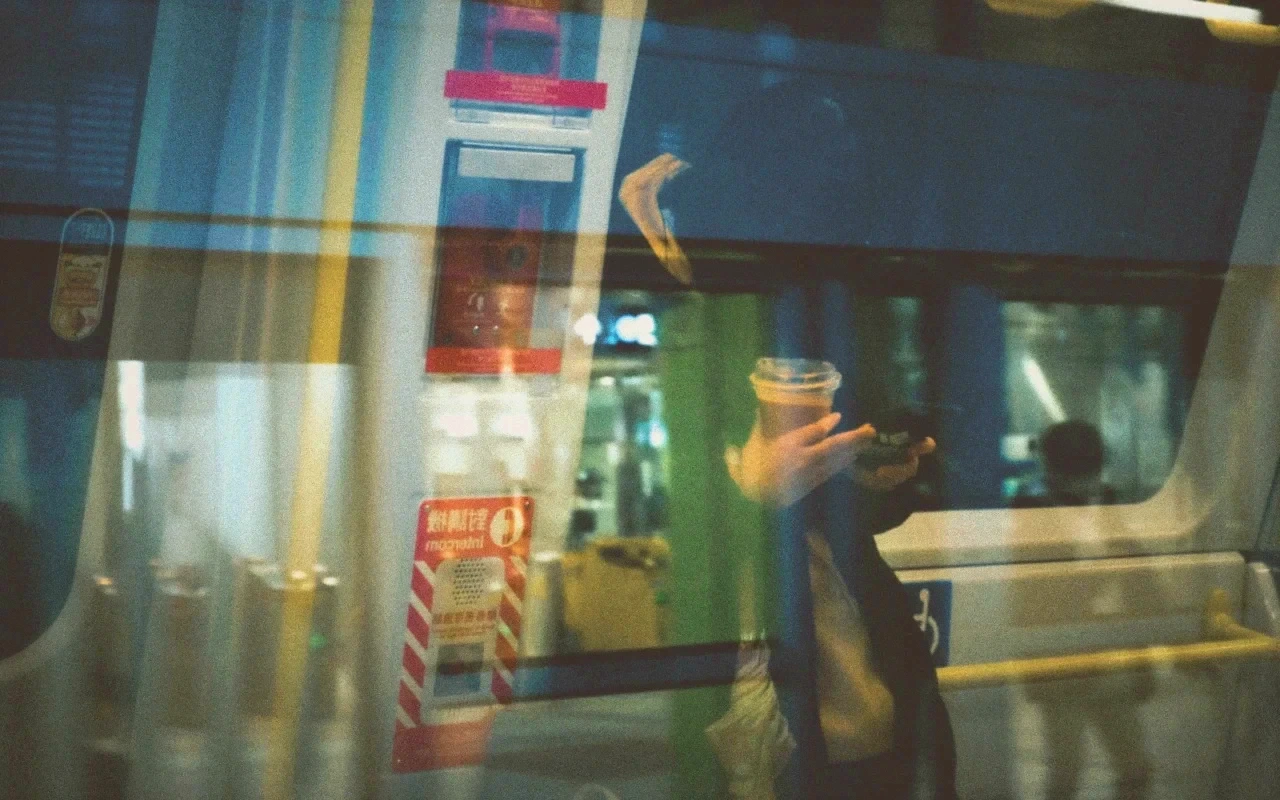
Kodak 5222 Double-X B&W
Classic panchromatic cinema-negative character with silver-rich midtones, deep dimensional blacks, and a natural highlight shoulder.
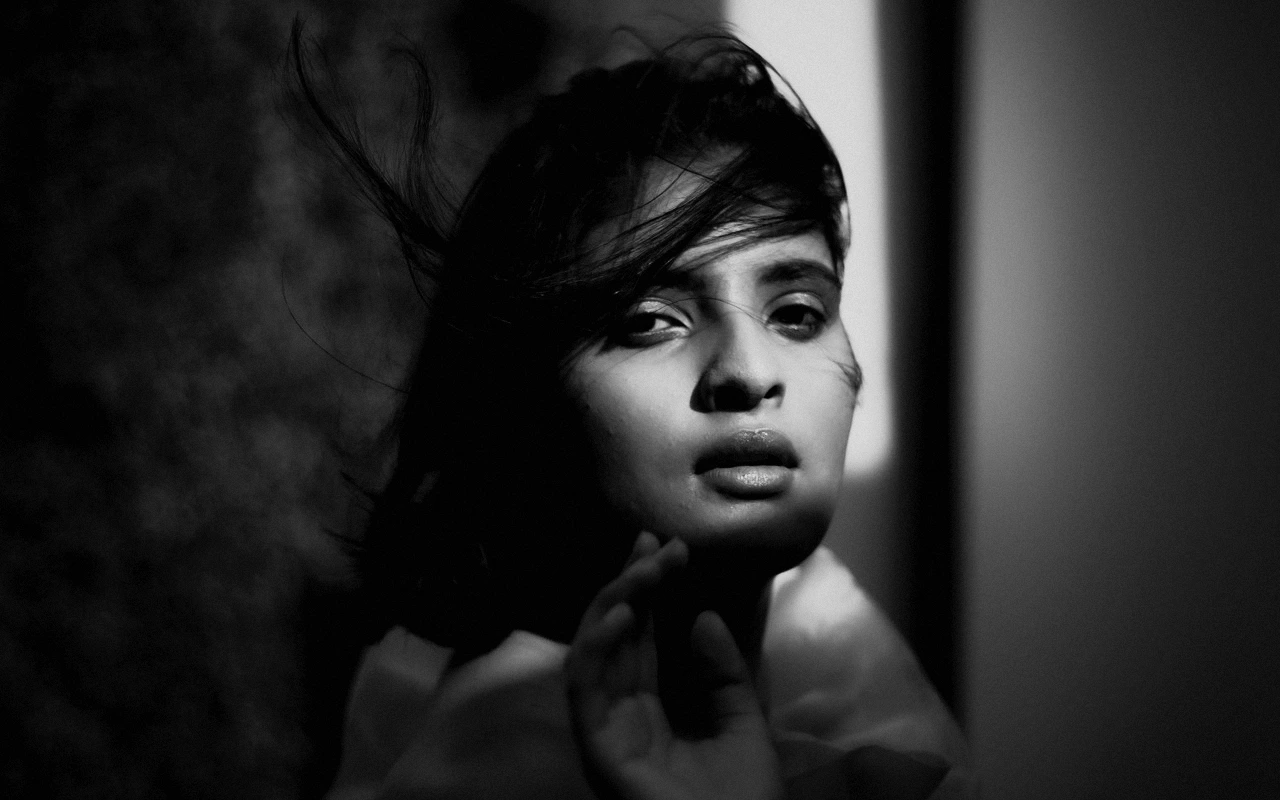
Visual character
Silver-rich monochrome with deep open blacks
Best for
- Narrative monochrome
- Documentary portraiture
- Available-light black-and-white work
Lighting conditions
- Daylight
- Tungsten
- Controlled mixed light
Color character
In the CineLook Kodak 5222 Double-X B&W transform, saturation is set to -100, which removes color completely, so the image resolves as monochrome and tone carries everything. A base curve supplies the shape: 0.042 lower at the shadow end, 0.022 higher through the midtones, 0.062 higher at the highlight end. The grade then adds 18 units of contrast and pulls shadows down 8, landing blacks at the dense response the profile describes rather than leaving them thin or milky. Highlights are trimmed 24 and Highlight Rolloff is set to 42, a long shoulder that lets bright areas settle instead of snapping to white, matching the soft highlight response the profile lists. Exposure sits at -0.04, close enough to neutral that the starting point barely moves. The native balance is neutral, so nothing pushes the gray warm or cool. Grain is 28 and the character is described as pronounced, with bloom at 3 adding a faint glow and a vignette at 10 easing the corners. Midtones come out silver-rich and textural.
When to choose it
Use it where the frame can survive without hue. The profile names narrative monochrome, documentary portraiture, and available-light black-and-white work among its intended uses, and the lighting conditions it covers are daylight, tungsten, and controlled mixed light. That combination points to faces near a window, streets after sunset, and interiors where practicals and daylight overlap; those are places where the light is already present and cannot be rebuilt. The contrast increase of 18 and shadow pull of 8 give shape to what a scene already contains, so fill matters less than composition. Pronounced grain rewards material with texture: wool, concrete, foliage, cracked paint, weathered surfaces. Flat walls and open sky can look bare under it, though the grain gives even those some tooth. Skip it when color carries the meaning and the grade should keep a palette.
Working with it in Studio
Exposure, Contrast, Highlights, Shadows, Temperature, Tint, Saturation, and Vibrance travel in the .cube export along with Highlight Rolloff; Film Grain, Bloom, and Vignette remain inside the app. Start with Contrast: a few units down will separate faces from dark backgrounds, and Highlights can come up from -24 if the trim leaves a subject looking flat. Temperature and Tint sit on a neutral balance, so they act as refinements rather than corrections. Saturation already sits at -100; raising it is the one move that breaks the monochrome intent. Highlight Rolloff at 42 sets how much shoulder the exported LUT carries, so adjust it before export. Grain at 28 is pronounced; lower Film Grain for clean digital captures, since the change will not travel with the LUT. Vignette at 10 also stays in-app.
How it compares
Against Bleach Bypass Print, the difference is color. Bleach Bypass holds saturation at -42, so hue survives, and pushes contrast to 27 with shadows at -22 while trimming highlights only -10; its grain is medium at 18. Choose Bleach Bypass Print when silver density with a trace of color is the goal. Faded Release Print goes the other direction: contrast -17, shadows lifted +22, exposure +0.08, temperature +9 for warm aged highlights, grain 14. It suits worn, sun-faded prints and lifted blacks. Take the CineLook Kodak 5222 Double-X B&W transform when blacks should stay dense, grain should read at 28, and no hue should remain.
Where it fits in a grade
This Look belongs near the front of the chain, not at its end. Its pipeline role is a black-and-white source, so it stands in for the image as captured rather than restyling a finished grade. Apply it early, then let everything downstream handle density and texture; the high contrast, dense shadows, and soft highlight shoulder are already built in, so stacking another heavy contrast stage will crush whatever shadow detail survives. The neutral balance and the daylight-to-tungsten speed mean no white balance correction is needed ahead of it, which keeps the handoff simple. When a print character is wanted, pair it with one finishing print Look applied afterward, and keep that second step gentle.
Transform parameters
Against a neutral starting point the CineLook Kodak 5222 Double-X B&W transform moves exposure -0.04, contrast +18, highlights -24, shadows -8, saturation -100, film grain +28, bloom +3, vignette +10 and highlight rolloff +42. Its channel matrix keeps the 0.230 / 0.690 / 0.080 diagonal and mixes at most 0.690 of one channel into another, so hues stay close to their source while crosstalk stays controlled. The luma curve sits 0.062 above the linear ramp at three-quarter tone, which is where the shoulder starts to bend.