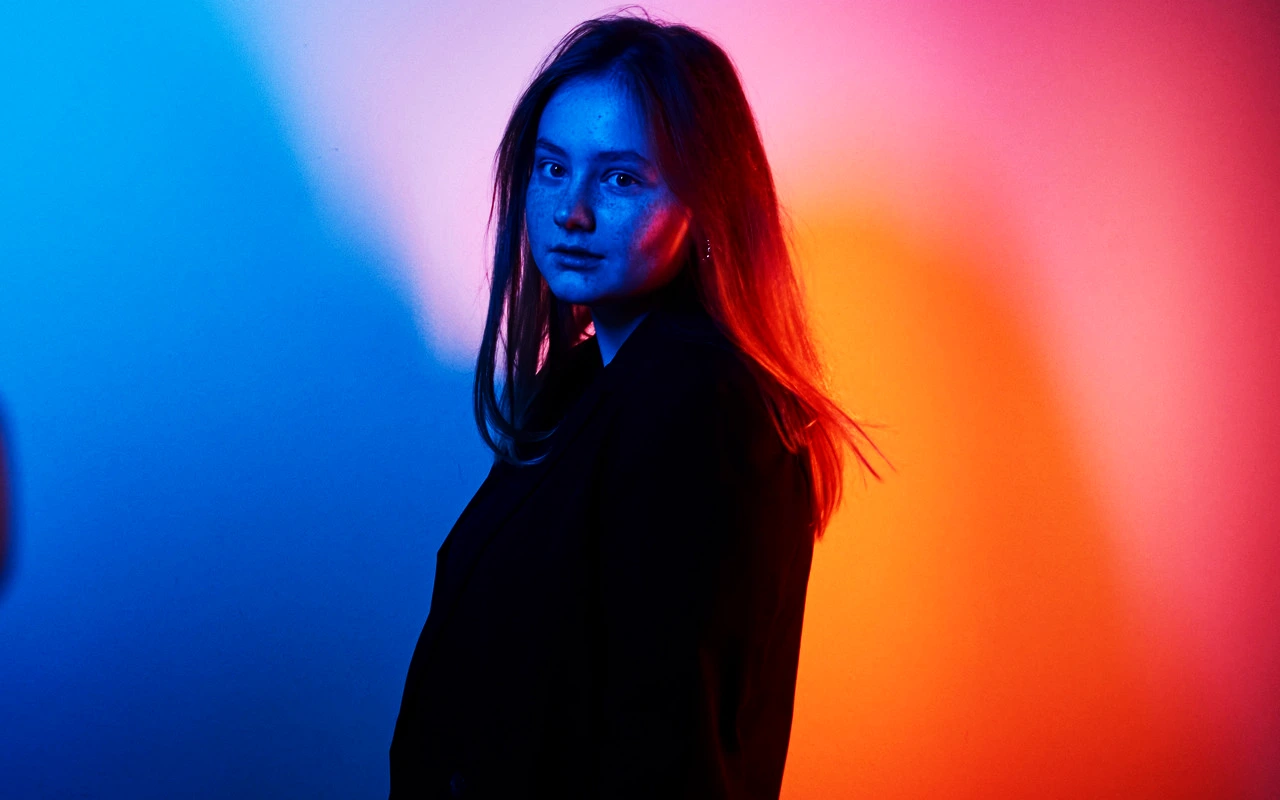
Kodak 2383 Print
CineLook release-print transform designed for classic theatrical density, defined blacks, warm-neutral skin, and a stable warm shoulder.

Visual character
Classic print density with a warm stable shoulder
Best for
- Classic theatrical finishing
- Warm-neutral skin reproduction
- Defined release-print blacks
Lighting conditions
- Balanced cinema masters
- Warm highlight scenes
- Controlled theatrical output
Color character
The CineLook Kodak 2383 Print transform builds density rather than brightness. Contrast sits at 22, tightening separation between tones and giving midtones body without turning them brittle. Highlights come down 18 and shadows 9, which is why the result reads as a release print: blacks settle into something solid and defined while the top end stops short of white and holds its detail. Temperature 13 and Tint 4 lean the balance warm, a bias written for warm-neutral skin. Saturation rises 7 and Vibrance 8, enough to keep color from flattening, not enough to look pushed. A Grain setting of 13 leaves a medium texture rather than a fine one. Vignette 12 eases the edges down, and Highlight Rolloff 31 compresses the shoulder so bright areas roll off gently. The curve adds only small offsets of its own, minus 0.015 in the shadows, plus 0.01 in the mids and plus 0.03 at the top, and there is no channel matrix.
When to choose it
The CineLook Kodak 2383 Print transform belongs on material headed for classic theatrical finishing, where weight and density count for more than brightness. Balanced cinema masters suit it directly: when exposure already sits well, the transform supplies a finish rather than a correction. Warm highlight scenes are a natural fit, since the warm bias and soft shoulder work with light that carries heat in it, holding shape instead of bleaching. Controlled theatrical output is the third home, where viewing conditions are known and the grade can be judged in context. Warm-neutral skin reproduction and defined release-print blacks are where the transform aims, so dialogue coverage and portrait work benefit. Underexposed or already contrasty material has less room here, because dense shadows and the 22 contrast setting leave little slack for recovery.
Working with it in Studio
In CineLook Studio, begin with Exposure and let the image sit at normal brightness, since the transform adds density on its own. Contrast at 22 is the first thing to move: lowering it opens the mids, raising it deepens the release-print blacks. Highlights at minus 18 can be lifted if the shoulder feels too protective; Shadows at minus 9 are what make the blacks read as defined, and relaxing them keeps texture in dark clothing. Temperature 13 and Tint 4 establish the warm-neutral skin bias, so small changes go a long way. Leave Saturation 7 and Vibrance 8 near their defaults unless a shot argues otherwise. Film Grain 13, Vignette 12 and Bloom stay inside the app; a .cube LUT export carries Exposure, Contrast, Highlights, Shadows, Temperature, Tint, Saturation, Vibrance and Highlight Rolloff.
How it compares
Both siblings are print-film transforms. The CineLook Kodak 2393 Print transform keeps high contrast and dense shadows like this Look, but its grain is fine where 2383's is medium, and its highlight response is neutral rather than soft, with a modern read of vivid warm separation. The CineLook Fuji 3510 Print transform goes the other way: medium contrast, neutral shadows, fine grain and a soft highlight response, giving open cool-neutral mids with clean cyan-blue separation. Pick 2393 for tighter, more vivid separation and cleaner texture; pick 3510 when the mids need air and the palette should lean cool. Stay with 2383 for warm-neutral skin and a stable warm shoulder.
Where it fits in a grade
Treat this Look as the last transform in the chain, not the first. Its stage is print film and its pipeline role is finishing print, so it expects an image already exposed and color corrected; it adds the release-print finish on top of that base rather than establishing the palette or standing in for the captured image the way a negative would. Because native balance and nominal speed do not apply, it imposes no shooting condition and assumes a neutral starting point, which makes a neutral base the natural partner. Apply it after exposure and contrast are settled: a soft shoulder and dense shadows close off both ends, and high contrast leaves little headroom for later correction.
Transform parameters
Against a neutral starting point the CineLook Kodak 2383 Print transform moves contrast +22, highlights -18, shadows -9, temperature +13, tint +4, saturation +7, vibrance +8, film grain +13, vignette +12 and highlight rolloff +31. Its channel matrix keeps the 0.998 / 1.008 / 1.010 diagonal and mixes at most 0.014 of one channel into another, so hues stay close to their source while crosstalk stays controlled. The luma curve sits 0.03 above the linear ramp at three-quarter tone, which is where the shoulder starts to bend.