Nordic Crime
Cold, desaturated color inspired by Scandinavian crime photography.
Visual character
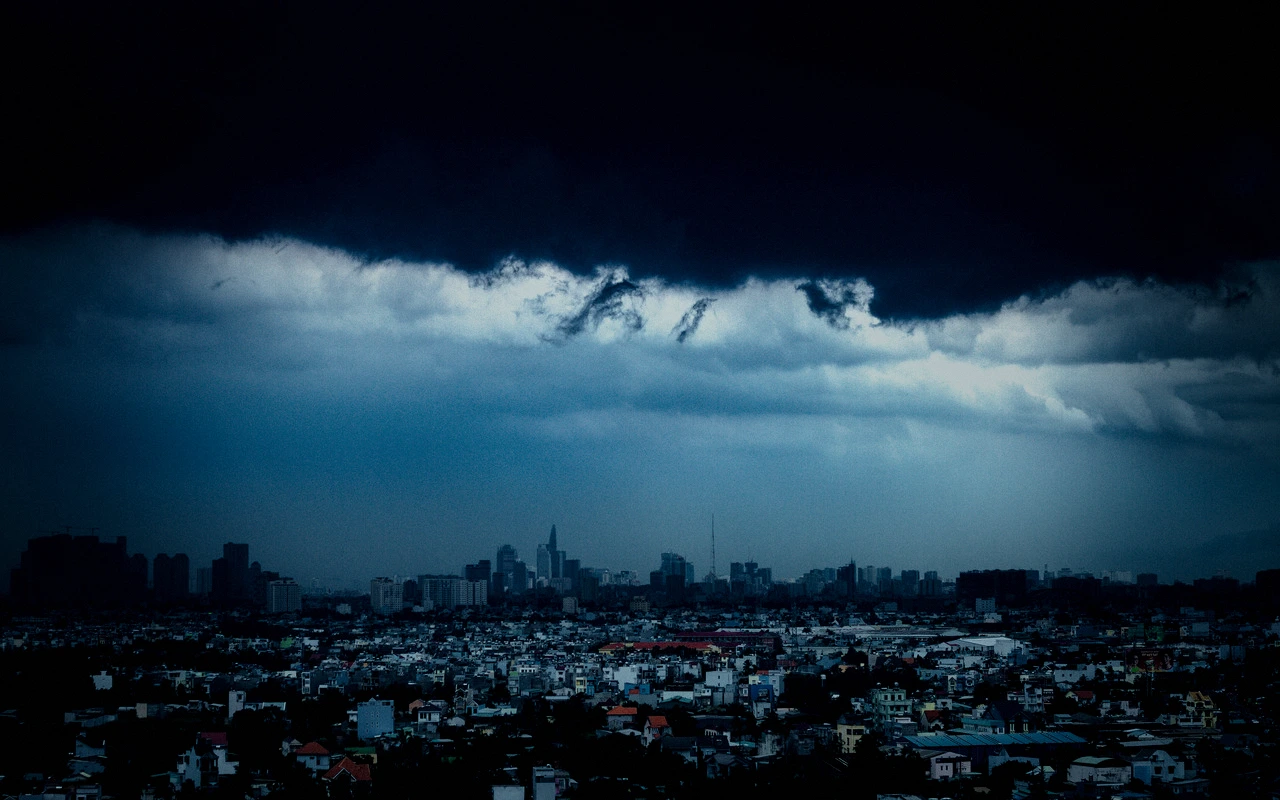
Cold shadows and desaturated atmosphere
Color character
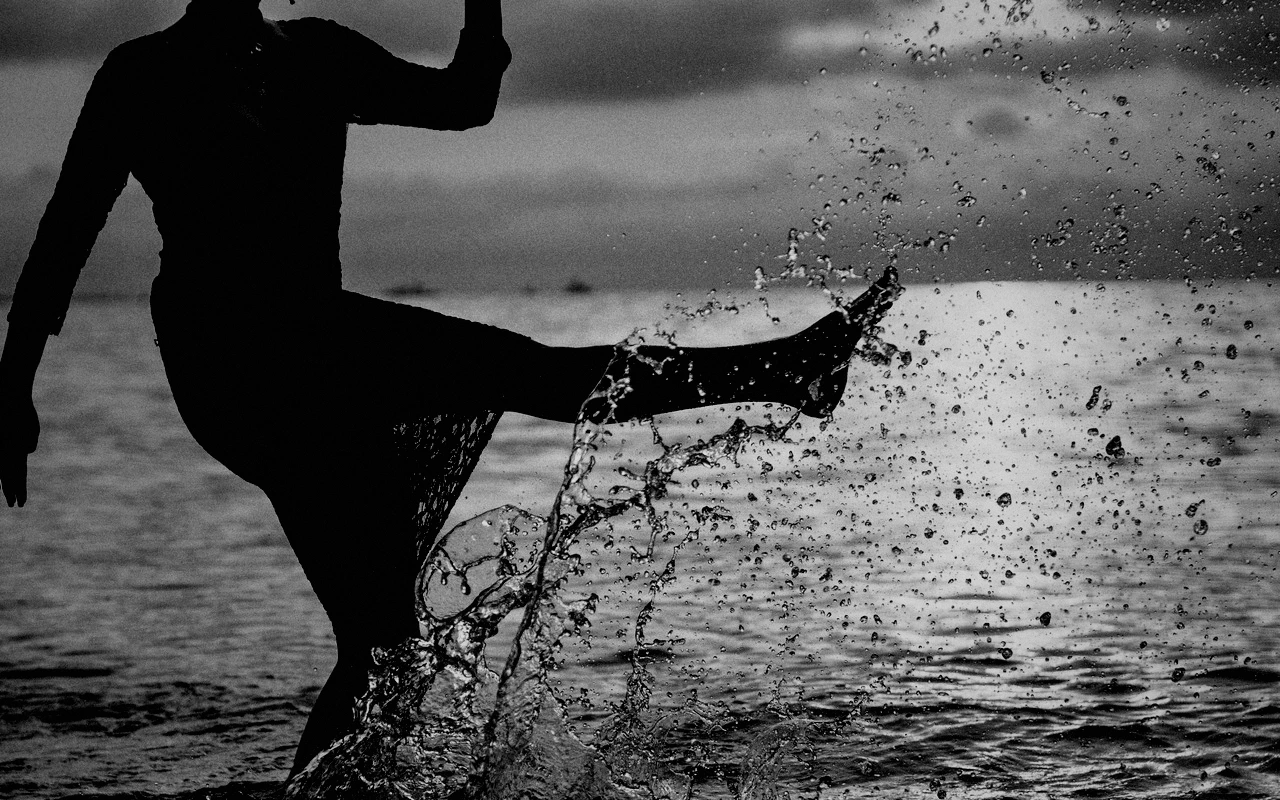
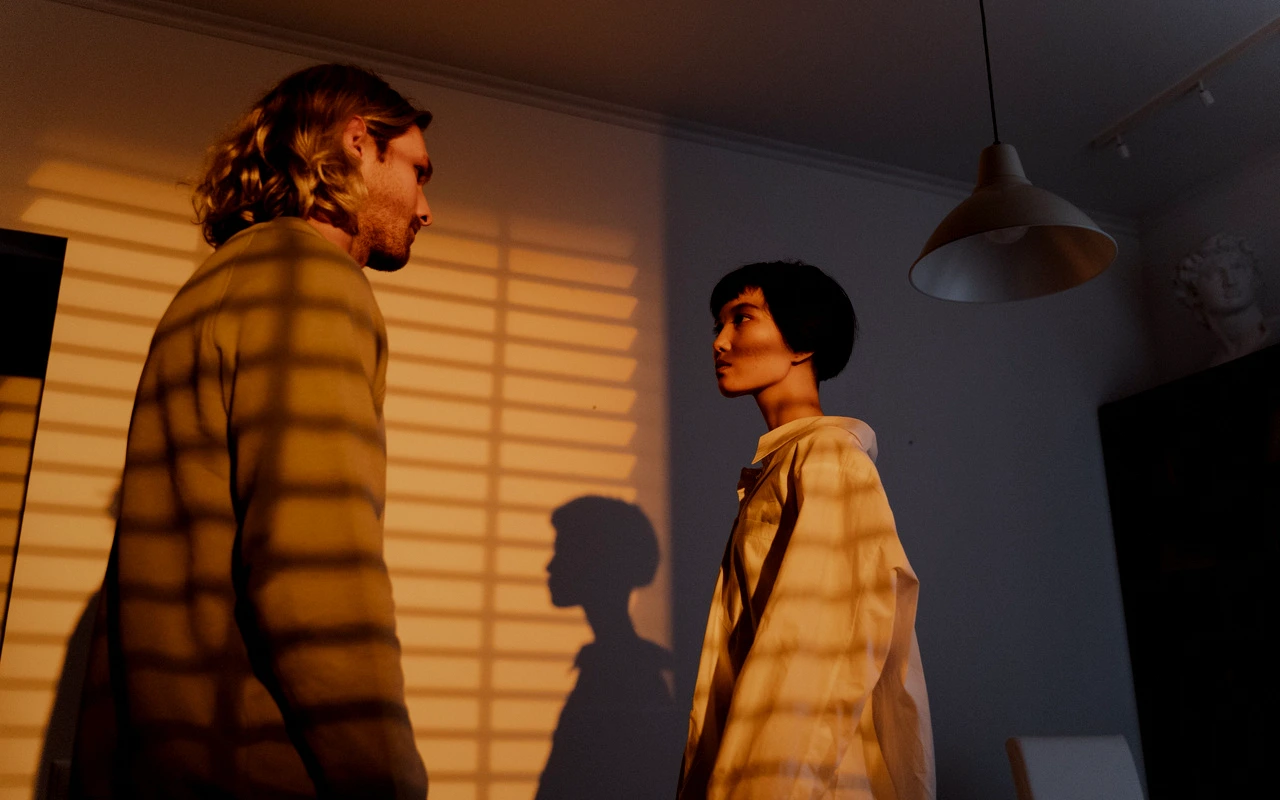
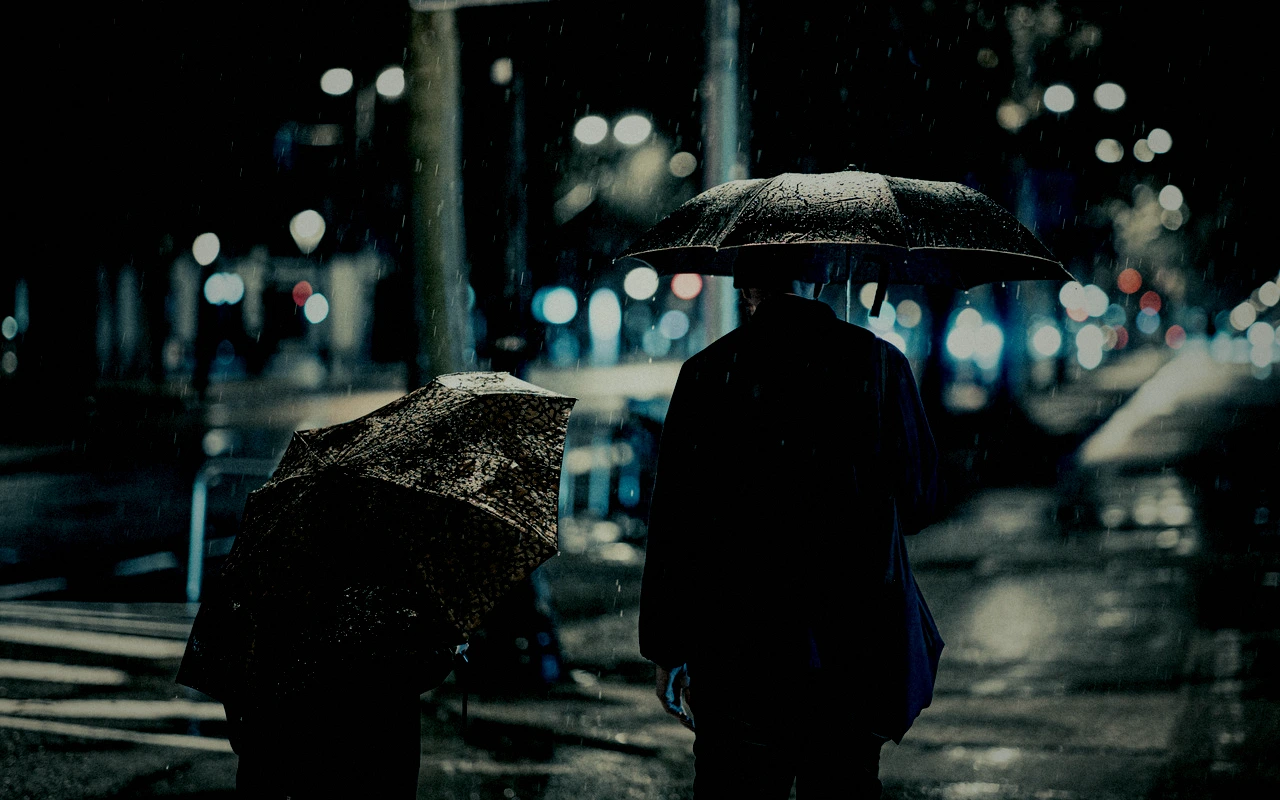
The CineLook Nordic Crime transform pulls a scene toward cold restraint. Exposure at -0.16 holds the overall level just under neutral while contrast at 22 separates the midtones into firm steps. Highlights fall 30 points and shadows drop 24, so bright surfaces lose their glare and dark areas settle rather than lift; highlight rolloff at 36 rounds the shoulder so window light and skin sheen compress gently instead of clipping. Temperature steps back 28 points toward blue and tint at -5 nudges the balance away from magenta, leaving neutrals gray-blue and stripping the last warm cast from practicals and skin. Saturation drops 40 points, yet vibrance rises 3, so whatever color survives—a coat, a lamp, a painted wall—stays legible against the drained field. Nothing turns monochrome: hue relationships survive while much of the chroma is withdrawn, and grain at 17 sits over the whole tonal range. Vignette at 24 closes the edges with a quiet falloff.
When to choose it
Cool, flat available light is the natural setting for the CineLook Nordic Crime transform: overcast coastal exteriors, early winter mornings, blue-hour streets, or a north-facing interior lit through one window. It suits surfaces that carry texture without needing color—wet asphalt, concrete, brushed steel, wool, weathered wood and painted doors—and faces held in soft shade rather than direct sun. The drained palette and the 24-point shadow reduction keep quiet, wide compositions from feeling empty, while a rolloff of 36 protects pale skies and white walls. Scenes with warm practicals, saturated costume or sunlit skin fight the transform; save it for material where distance and silence are the intent. It works for establishing frames and for long holds on a room after the action has moved on.
Working with it in Studio
In CineLook Studio the exported tonal controls carry most of the adjustment. Exposure sits at -0.16, so a small lift or trim moves the whole frame; Contrast at 22 and Highlights at -30 are the pair to touch first when skies or windows still flare. Shadows at -24 can come up if a room loses too much detail. Temperature at -28 and Tint at -5 define the cast; pulling temperature toward zero reclaims neutrality without touching structure. Saturation at -40 leaves room either way, and Vibrance at 3 keeps the surviving chroma stable. Highlight Rolloff at 36 travels with the .cube export. Film Grain and Vignette do not: grain at 17 and the 24 vignette stay inside the app, so re-create them in the host if the exported LUT must match.
How it compares
Dark Thriller is the heavier hand: exposure falls to -0.35 against Nordic Crime's -0.16, contrast climbs from 22 to 34, and shadows crush to -37 from -24. Crime Scene sits between them on tone, contrast 30 and shadows -30, but holds more color at saturation -14 and vibrance 12, adds bloom at 7, and sets tint to 11 rather than -5. Nordic Crime is colder and more drained, at temperature -28 and saturation -40. Pick Dark Thriller when a scene should sit near black, Crime Scene when faces must stay readable in a warmer, grainier frame, and Nordic Crime for quiet, overcast exteriors where restraint is the point.
Where it fits in a grade
Nordic Crime is a standalone creative look, not a camera negative, reversal source or finishing print. That places it at the end of a pipeline: establish a neutral base, correct exposure and white balance, then apply the Look as the last creative transform before export. Because its cold, desaturated read is the point, it normally finishes a grade rather than feeding one, and a second stylistic Look layered on top tends to muddy the result. Pair it with a plain, correctly exposed base and stop there. Its own tonal shape leaves little room for later correction, and grain and vignette arrive with the Look, so no separate texture pass is needed.
Transform parameters
Against a neutral starting point the CineLook Nordic Crime transform moves exposure -0.16, contrast +22, highlights -30, shadows -24, temperature -28, tint -5, saturation -40, vibrance +3, film grain +17, vignette +24 and highlight rolloff +36.